
Planning Your Perfect Yard: The Landscape Design Process
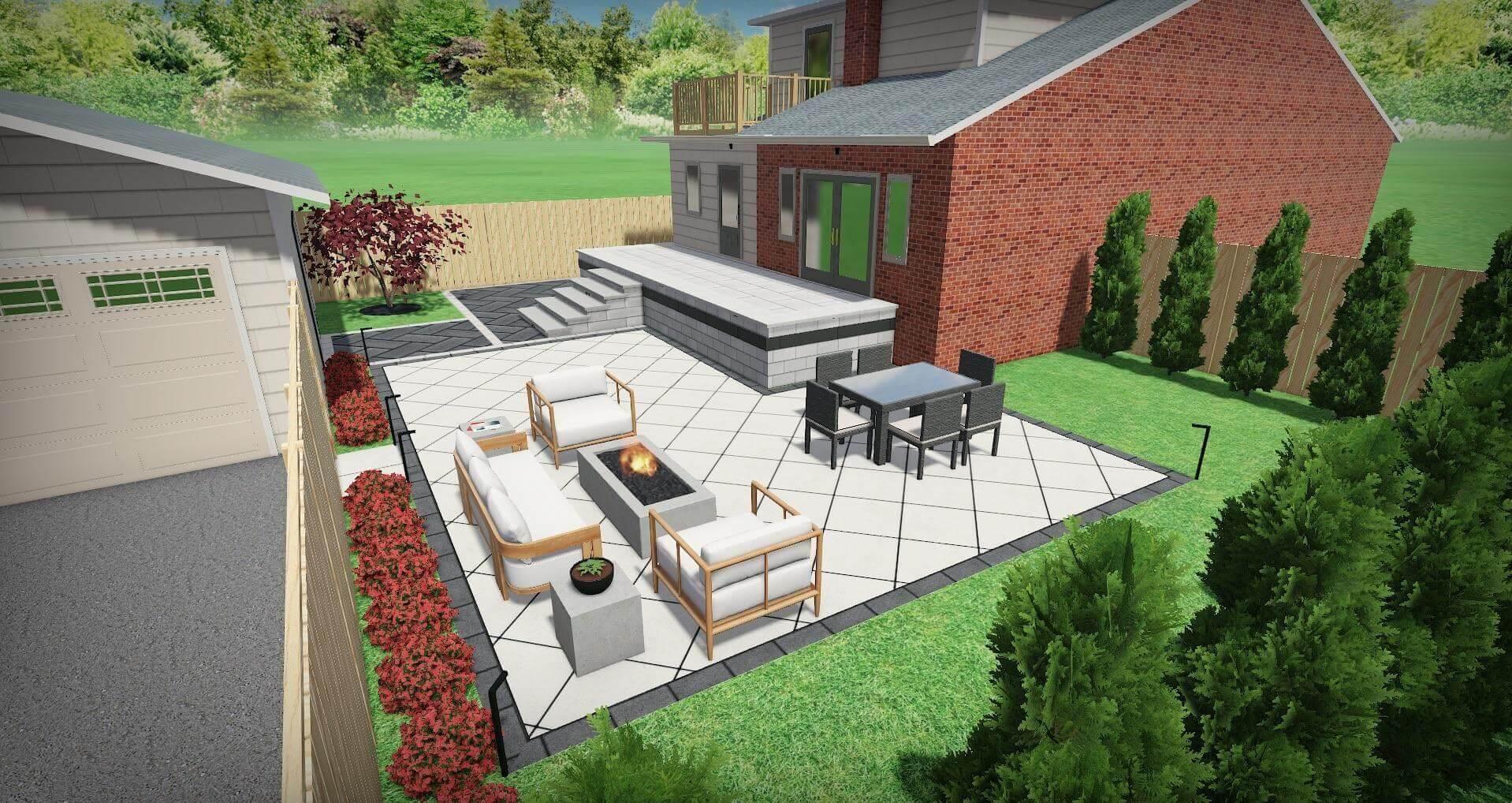
An incredible landscape begins long before the first shovel hits the ground. Homeowners often feel energized by the idea of transforming their yard. Still, once decisions about layouts, grading, materials, sunlight, or drainage begin to accumulate, the excitement can quickly turn into uncertainty. Without a clear plan, even the best ideas can clash, budgets can drift, and key details get overlooked; the kind that only become obvious once construction is underway.
A structured landscape design process prevents those headaches. When you work alongside a professional designer or a design-build company such as ASM Build Group, your ideas are organized into a cohesive vision, technical challenges are addressed early, and the entire project gains a clear direction. Instead of piecing things together as you go, you collaborate with experts who shape your vision into a thoughtful, build-ready plan that supports both beauty and long-term performance.
This guide walks you through the main steps in landscape design, offers helpful landscape planning tips, and shows how partnering with the right team sets the foundation for a successful project. For a deeper look at how a landscape design plan connects to construction, budgeting, and craftsmanship, be sure to explore our Landscape Design and Build Guide.
Why Plan Your Landscape Design?
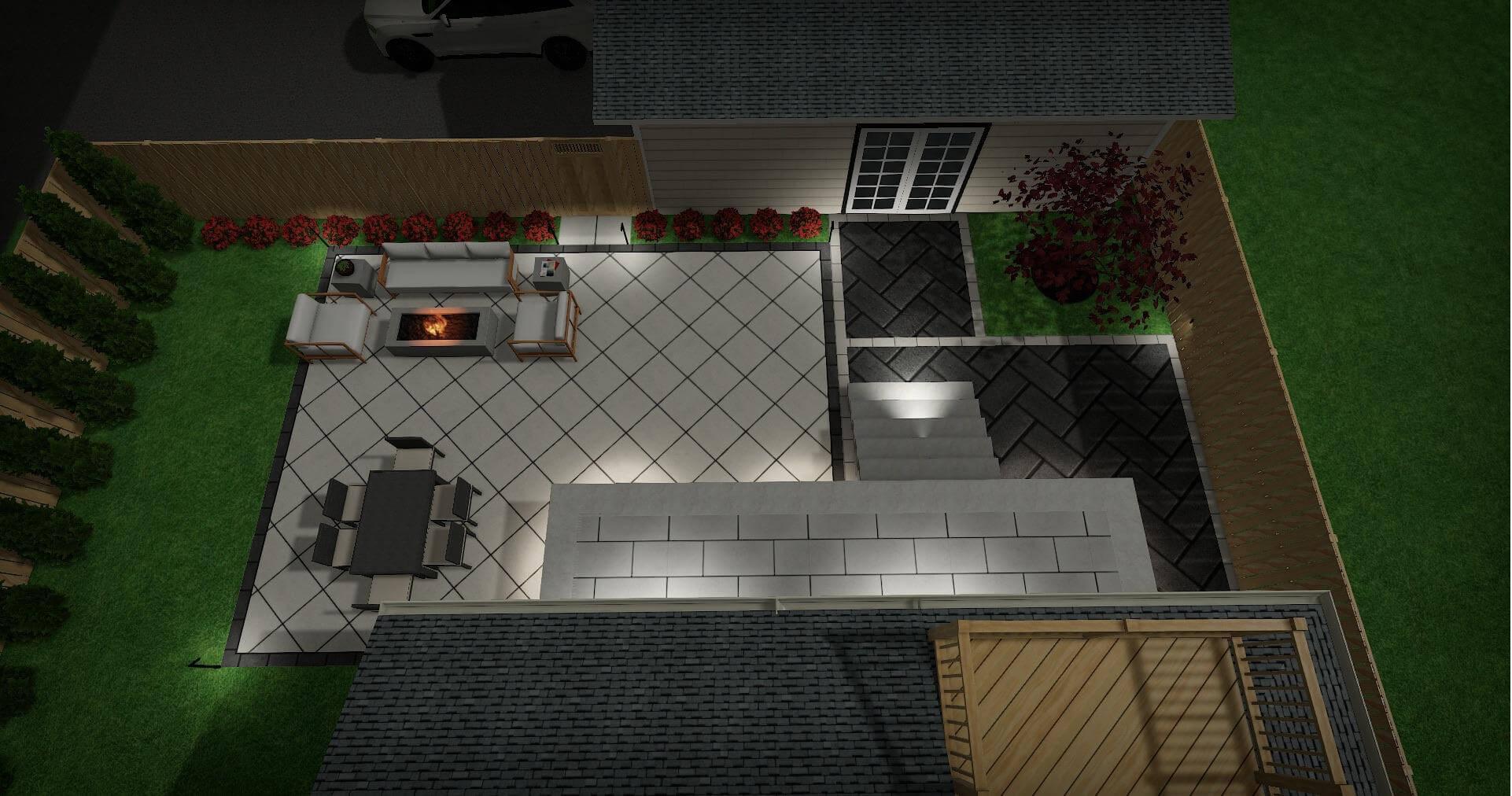
Before a shovel ever hits the ground, planning provides the structure and strategic thinking every project needs. When you work with a professional, this planning stage becomes an essential collaboration: you bring your vision, and the designer brings the technical expertise to turn it into something buildable, functional, and long-lasting.
A Clear Plan Saves Time and Money
A professional landscape designer eliminates guesswork. Instead of testing ideas on the fly, you follow a well-developed layout that already considers measurements, elevations, flow, materials, and the realities of your site. This prevents unnecessary revisions during construction and avoids duplicate work.
How to design your yard to maximize space
Designers look at your yard holistically:
- Where natural light falls
- How people will move through the space
- Which views to frame or block
- How the layout connects to the home
- Where privacy or shade is needed
You benefit from solutions you may not have realized were possible: creative grading, better traffic flow, intentional sightlines, or plant groupings designed for all-season structure.
Real Problems Are Solved Before They Become Costly
Professionals catch issues that beginners often overlook:
- Drainage patterns
- Root obstacles
- Material compatibility
- Proper spacing for mature plant growth
- Structural requirements for walls, decks, or grade changes
Planning avoids expensive tear-outs later.
Your Yard Becomes a Long-Term Investment
Thoughtful design anticipates how your landscape will look not just on day one, but five, ten, or even twenty years from now. Your plants grow harmoniously, your hardscape remains durable, and your yard functions beautifully across seasons.
Step 1: Brainstorming Your Vision for Your Yard
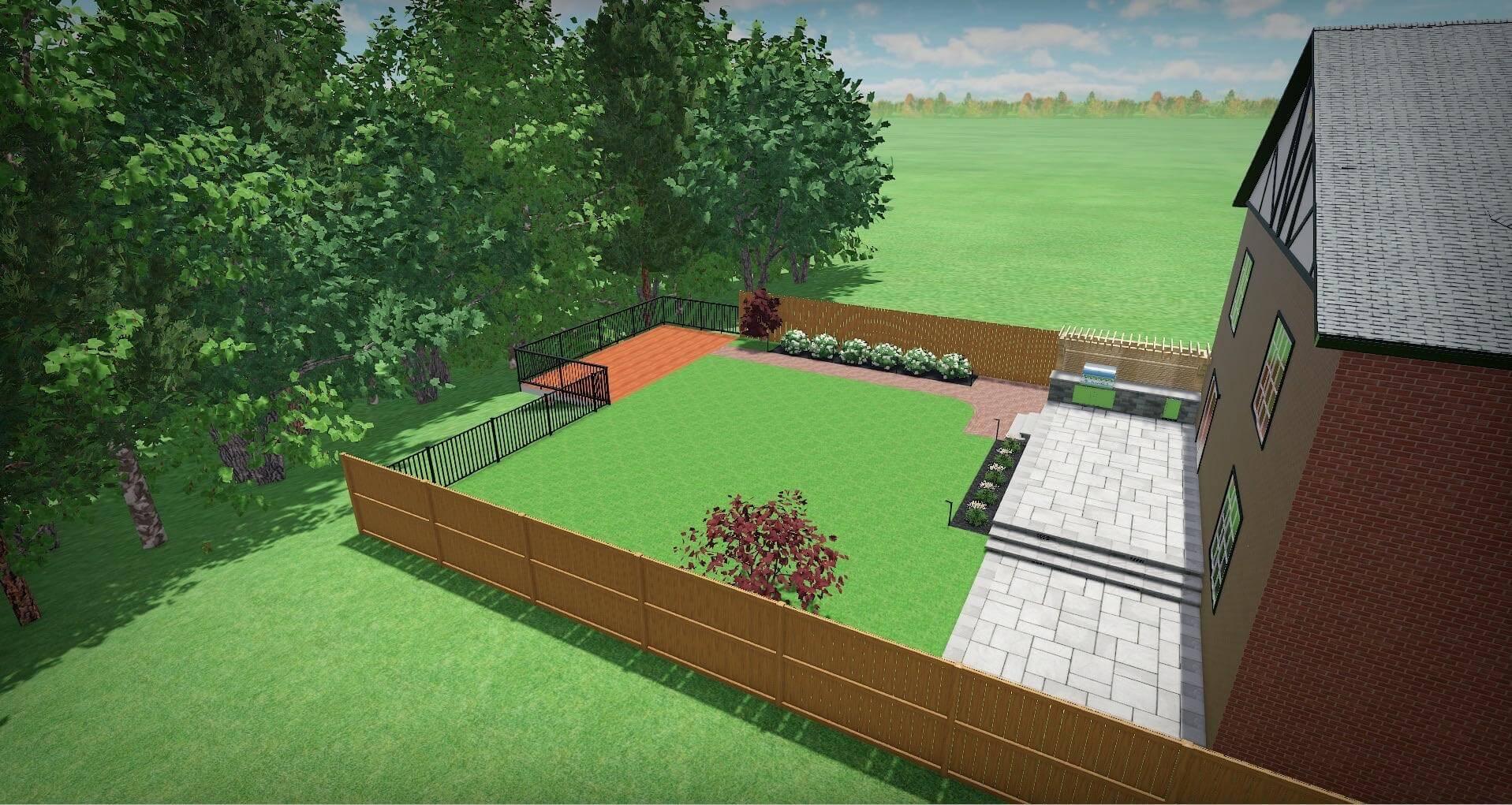
The best landscape design plans begin with a conversation. Instead of designing alone, you collaborate with a professional who helps refine your ideas, understand your goals, and prioritize what matters most.
What You Bring to the Table
During your initial meetings, you’ll share:
- How do you hope to use the space
- Which features matter most (patio, dining area, privacy screening, garden areas, etc)
- Your lifestyle and maintenance preferences
- Any inspirations or examples you’ve collected
- Your preferred style: natural, modern, classic, minimal, colourful
The designer listens and interprets your ideas through a professional lens.
How the Designer Enhances Your Vision
Professionals add clarity by helping you:
- Identify the best use of each area
- Understand what features fit your budget
- Recognize what is possible within your property constraints
- Refine your style into something cohesive
- Prioritize must-haves vs. optional upgrades
This stage is collaborative, creative, and essential, it sets the tone for the entire project.
Why This Step Matters
Your early ideas evolve into a practical direction. Instead of guessing what might work, you and your designer create a shared vision that guides every step that follows.
Step 2: Site Assessment and Measuring Your Space
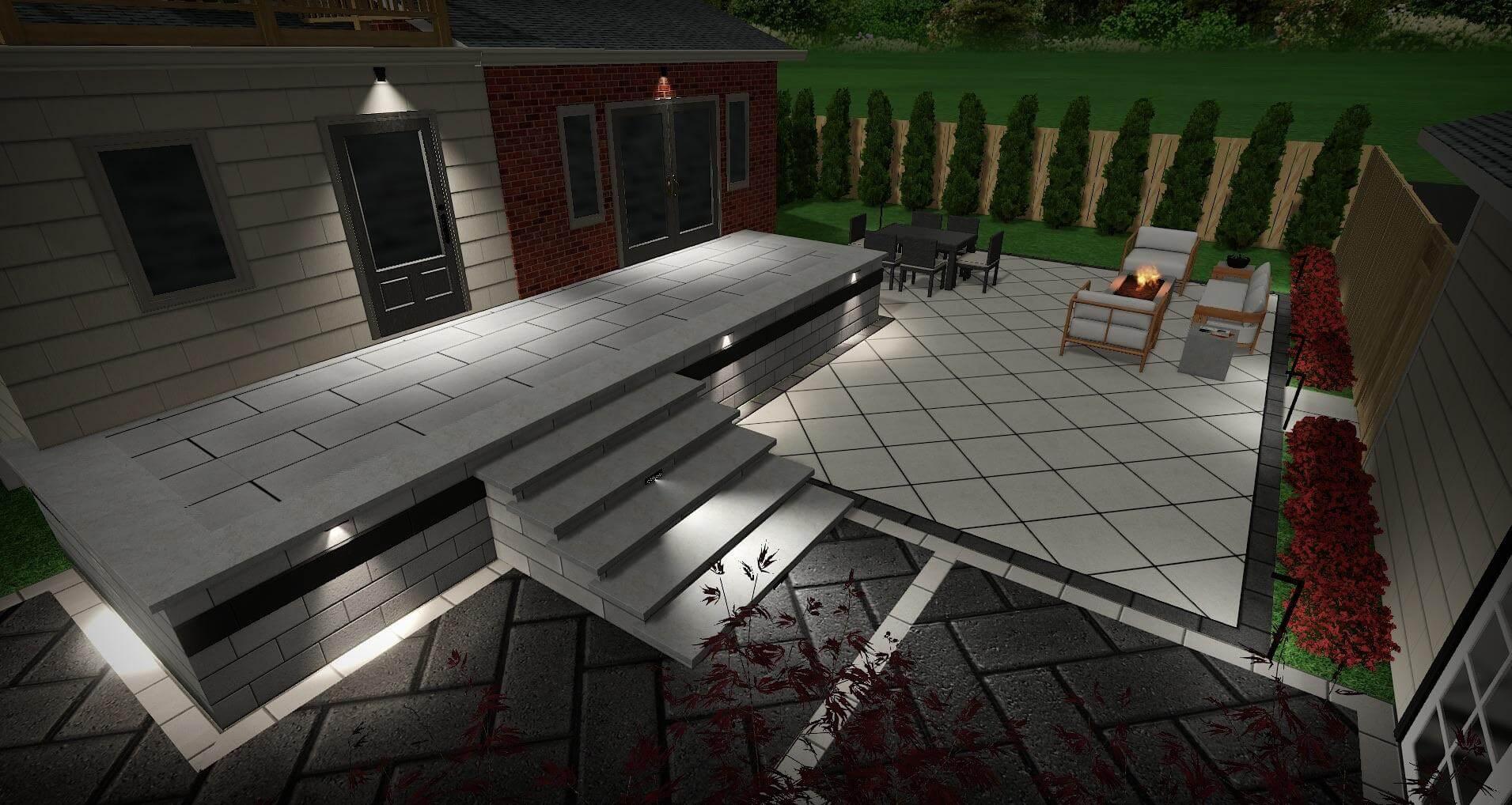
After understanding your goals, your landscape designer conducts a thorough site assessment. This allows them to identify opportunities, constraints, and technical considerations that directly influence the layout.
A Professional Site Evaluation Includes
- Accurate property measurements
- Sun and shade mapping
- Soil testing or classification
- Slope and grading review
- Drainage and water-flow patterns
- Existing tree and root assessment
- Wind exposure and microclimates
- Review of architectural elements and house style
- Views worth highlighting or blocking
Why Professionals Focus on These Details
These elements determine:
- Where patios should be placed
- Whether a structure needs footings
- Which plants will thrive
- How water will move across the property
- How large will trees grow long-term
- Whether grade changes are necessary
Landscape design for beginners can often overlook these factors, which is why professional assessment prevents issues before construction begins.
Your Role in the Site Assessment
You don’t need to perform measurements yourself, your designer handles all technical details. Your involvement focuses on communicating how you move through the yard and where you feel improvements are needed.
Step 3: Creating a Landscape Design Plan
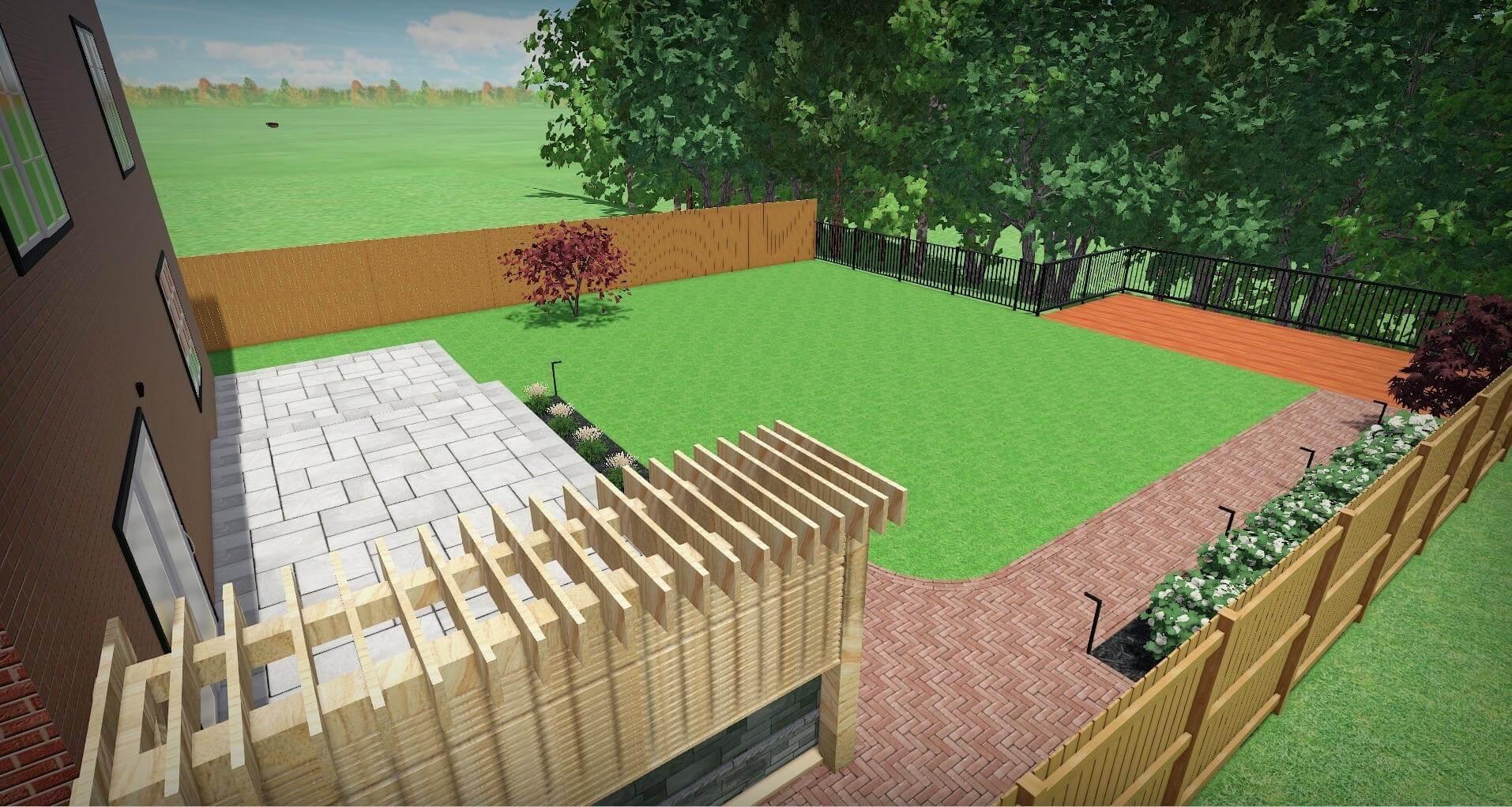
With your goals defined and your site evaluated, the designer transforms information into a clear, detailed landscape design plan.
What the Designer Creates
Using site data and functional needs, the designer develops:
- A scaled base map of your property
- A preliminary layout of hardscape and softscape
- Defined outdoor zones (dining, entertaining, play, relaxation, garden areas, etc.)
- Material recommendations
- Plant palettes with seasonal interest
- Elevation or grading notes
- Lighting concepts
- Irrigation considerations
Everything is drawn to scale, ensuring accurate measurements and construction-readiness.
How Collaboration Continues
You review each concept with your designer. Together, you refine:
- Layout adjustments
- Feature locations
- Pathway flow
- Plant groupings
- Material preferences
- Budget scope
This ensures the plan reflects both your aesthetic and practical priorities.
Why This Step Is Essential
A professional plan functions as the roadmap for every contractor, installer, and trade involved. It reduces guesswork, eliminates miscommunication, and ensures the project moves forward efficiently.
Step 4: Reviewing and Finalizing the Design
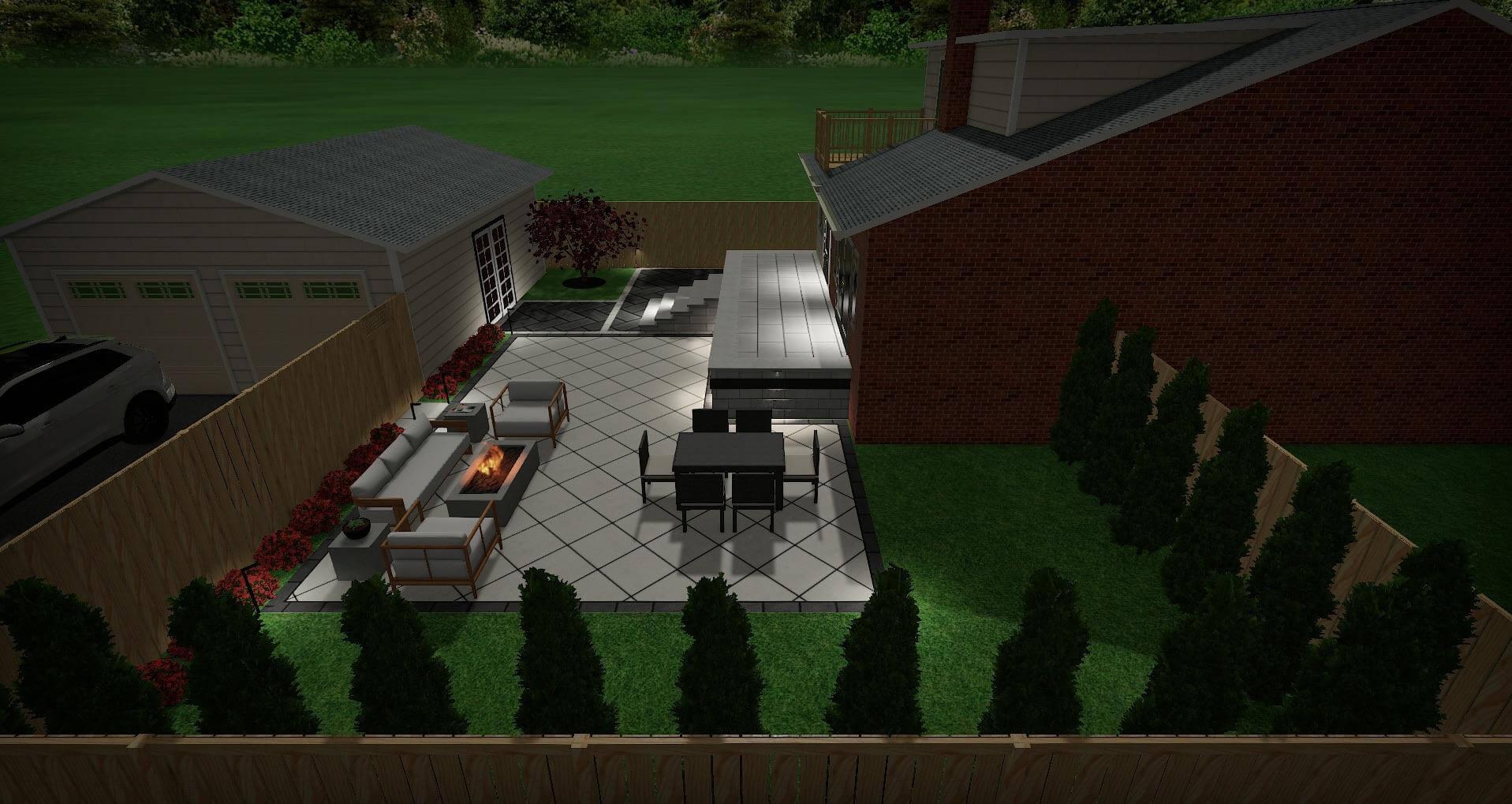
Before construction begins, you and your designer finalize all details to ensure the design is both beautiful and buildable.
What Final Review Includes
- Precise measurements
- Structural details for walls or grade changes
- Drainage plans
- Plant placement and spacing
- Material selections
- Lighting and irrigation layout
- Cost estimates aligned with your budget
Your Collaboration Matters
The designer ensures every element matches your expectations and complements your home’s architecture. You confirm:
- Traffic flow makes sense
- Space sizes feel right
- Plant choices align with your style
- Maintenance requirements match your comfort level
- Privacy or shade needs are met
- All features work together cohesively
The Result
A fully developed, professional landscape design plan that is ready to transition into the build phase.
Step 5: Preparing for the Build Phase
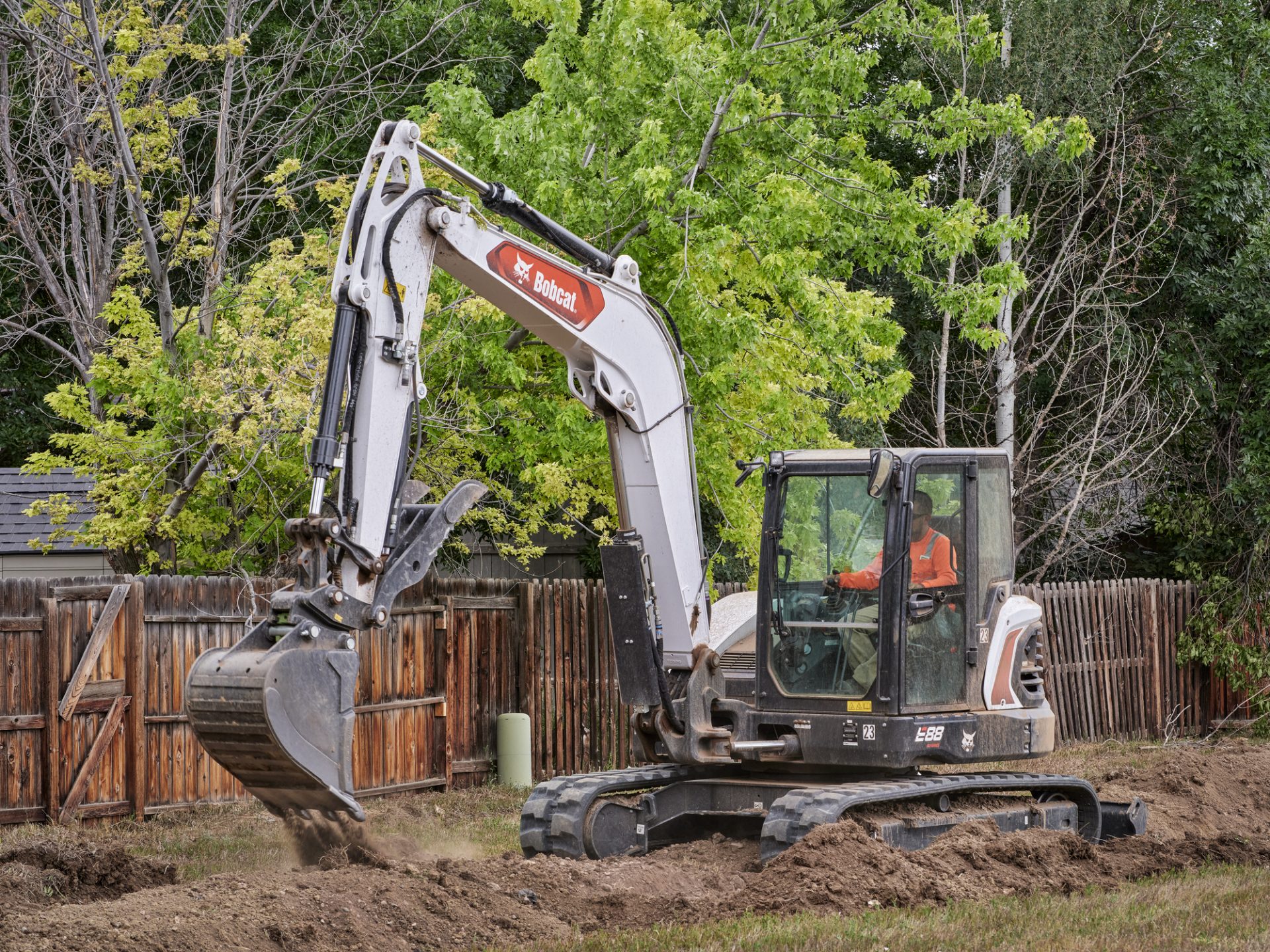
Once the design is finalized, your project moves toward construction. This step bridges planning and execution.
What Your Design-Build Team Handles
- Gathering and ordering materials
- Reserving specialty items (stone, lumber, large plants, etc.)
- Preparing permit applications
- Coordinating suppliers and trades
- Scheduling project start dates
- Assessing site access for equipment
How You Prepare as a Homeowner
Your role may include:
- Clearing personal items or décor
- Identifying access points
- Reviewing timelines
- Discussing expectations or concerns
Why This Step Is Important
Proper preparation ensures the build phase starts smoothly, avoids delays, and keeps the project progressing efficiently.
Common Landscape Design Mistakes to Avoid
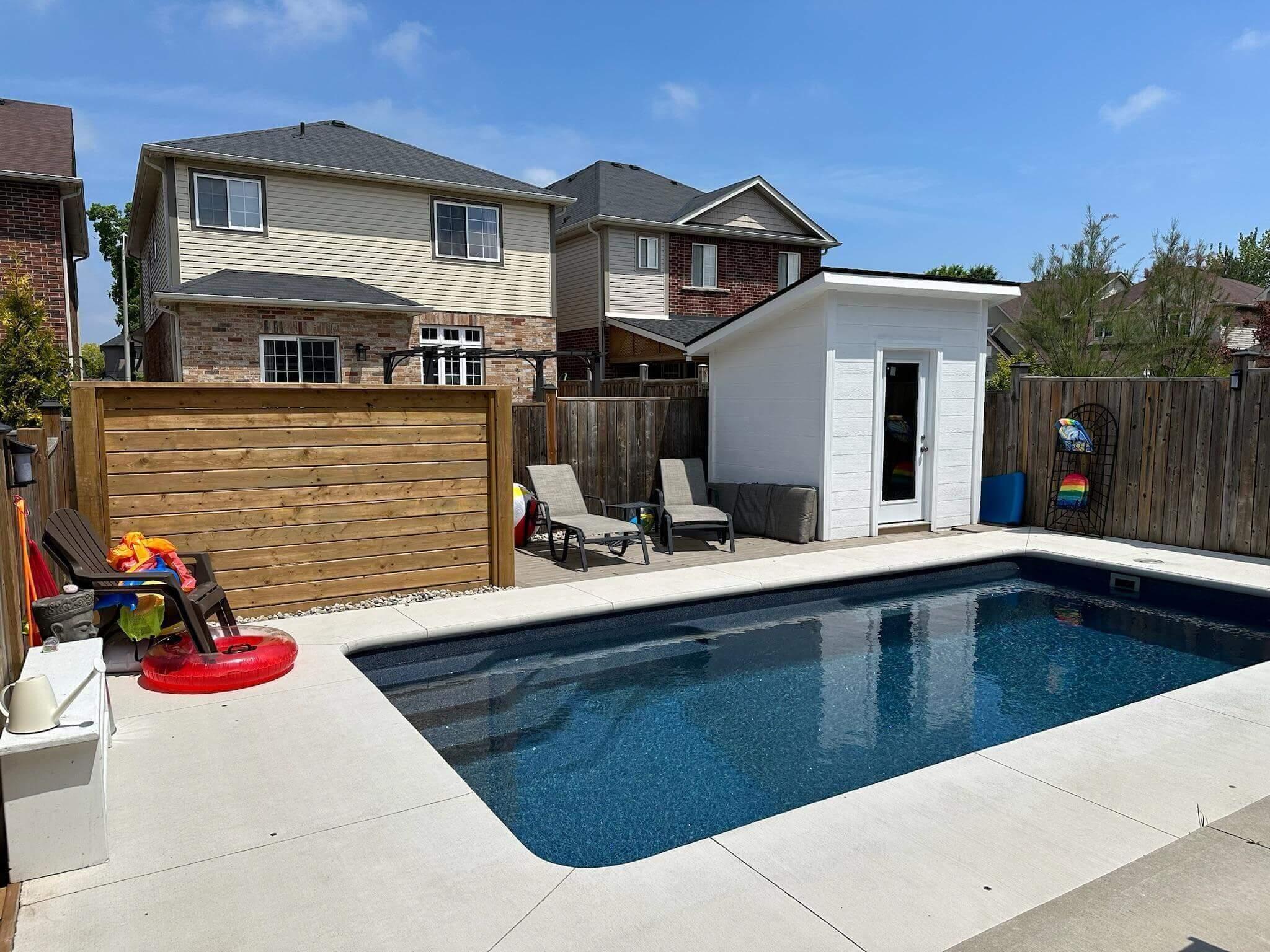
Even with professional support, it’s helpful to understand common errors that occur when planning a landscape, many of which stem from improper planning or lack of expert guidance.
Frequent Planning Mistakes
- Ignoring drainage patterns
- Planting without considering mature size
- Choosing plants solely on appearance
- Underestimating maintenance needs
- Oversizing or undersizing hardscape features
- Forgetting about lighting and irrigation
- Not matching the landscape style to the home
Working with a designer minimizes these risks, but knowing them helps you appreciate the value of the planning process.
From Planning to Reality: Make Your Landscape Dreams Come True
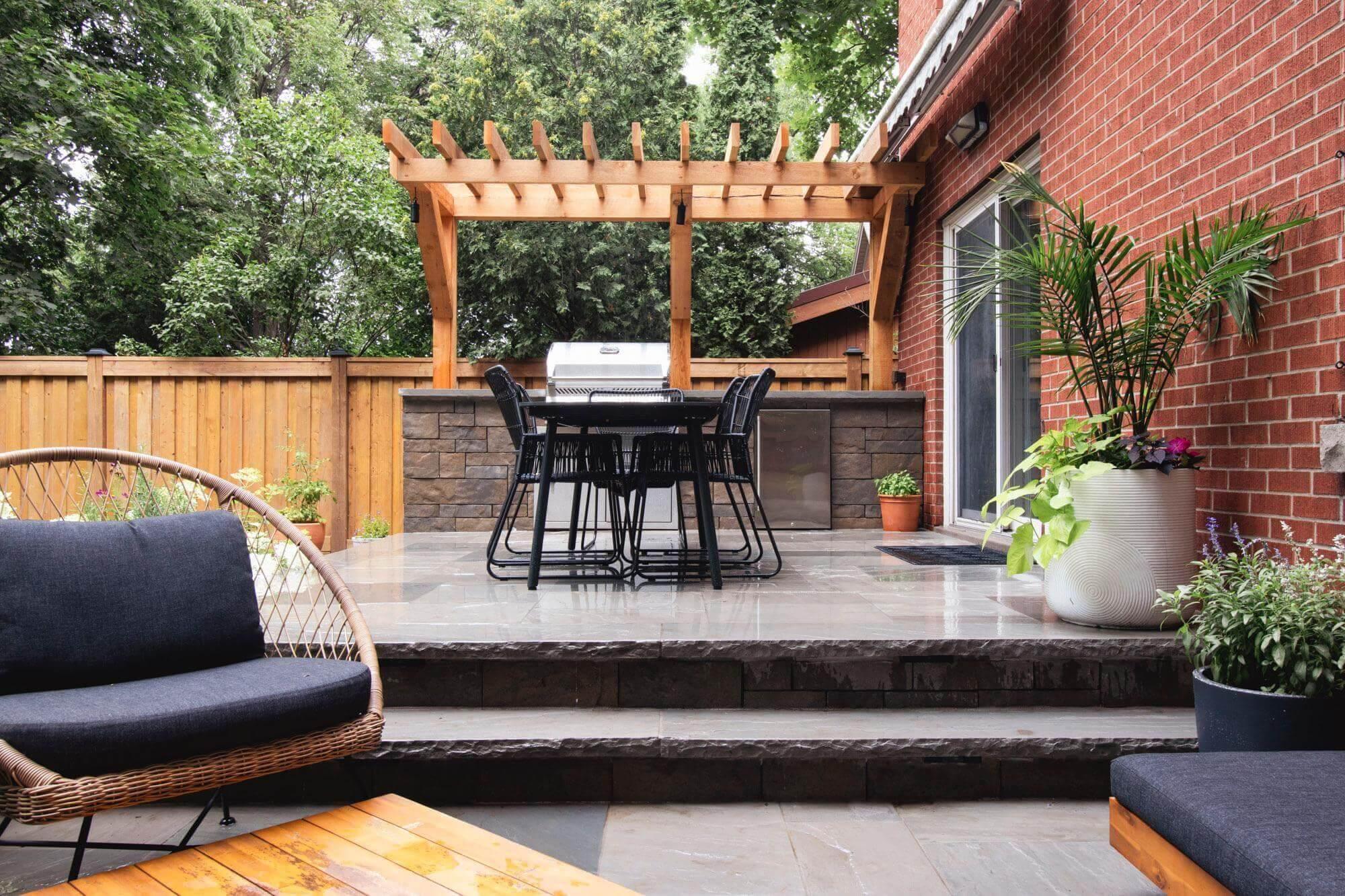
A thoughtful landscape design process gives you clarity, direction, and confidence. Instead of designing on your own, you collaborate with a professional who understands how to translate ideas into a build-ready plan. With expert guidance, the process becomes smoother, the results more predictable, and the final landscape far more rewarding.
When you’re ready to bring your vision to life, ASM Build Group is here to help. Our designers and builders work closely with you from concept to completion, ensuring your landscape is both beautiful and functional, and built to last.
Request a consultation today and start planning your perfect yard with a team you can trust.
Summary
A successful landscape project always begins with a thoughtful, well-structured design. By working with a professional designer or a design-build company, you gain a clear vision, an organized plan, and expert guidance through every stage of the landscape design process. From early brainstorming and detailed site assessment to design refinement and preparation for the build phase, each step ensures that your yard will look beautiful, function properly, and grow with you over time. When the planning is done right, the construction phase becomes smoother, and the finished outdoor space reflects the lifestyle, comfort, and long-term value you’re looking to create.
Tags: