
Landscape Construction Tips for Quality Outdoor Results
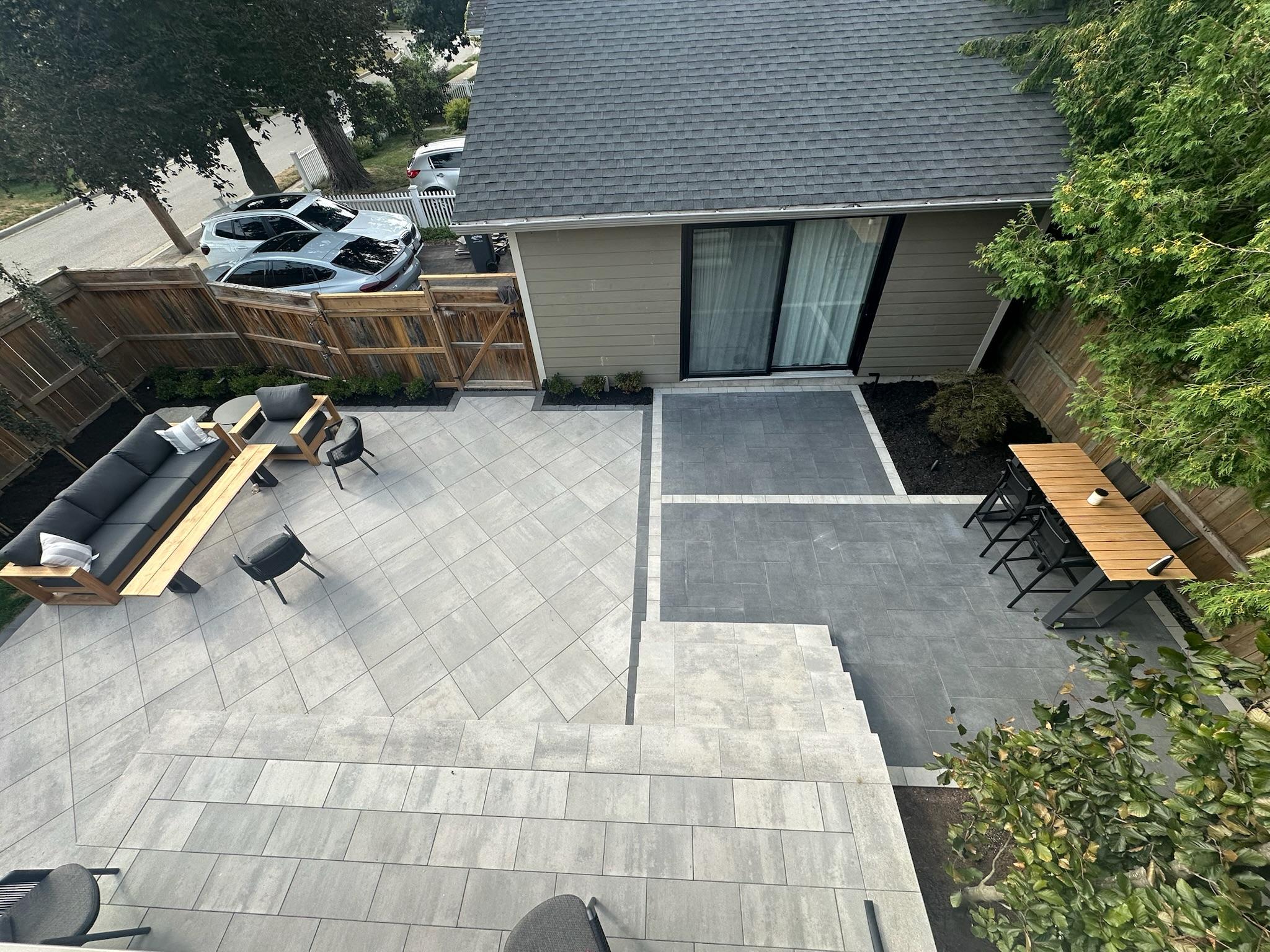
Many Hamilton homeowners start a project hoping for a relaxed, beautiful yard, only to see it deteriorate after a few seasons. Pavers heave, steps feel uneven, and water runs straight toward the house. In a city with clay soils and freeze–thaw cycles, landscape construction that looks good on day one can fail quickly if it is not built with care beneath the surface.
When this happens, you live with puddles around your patio, slippery paths, and planting beds that never quite thrive. The outdoor space that should feel like an extension of your home starts to feel like a problem you walk past every day. Poor planning and rushed landscape construction turn an investment into ongoing maintenance and frustration.
The Importance of Quality in Landscape Construction
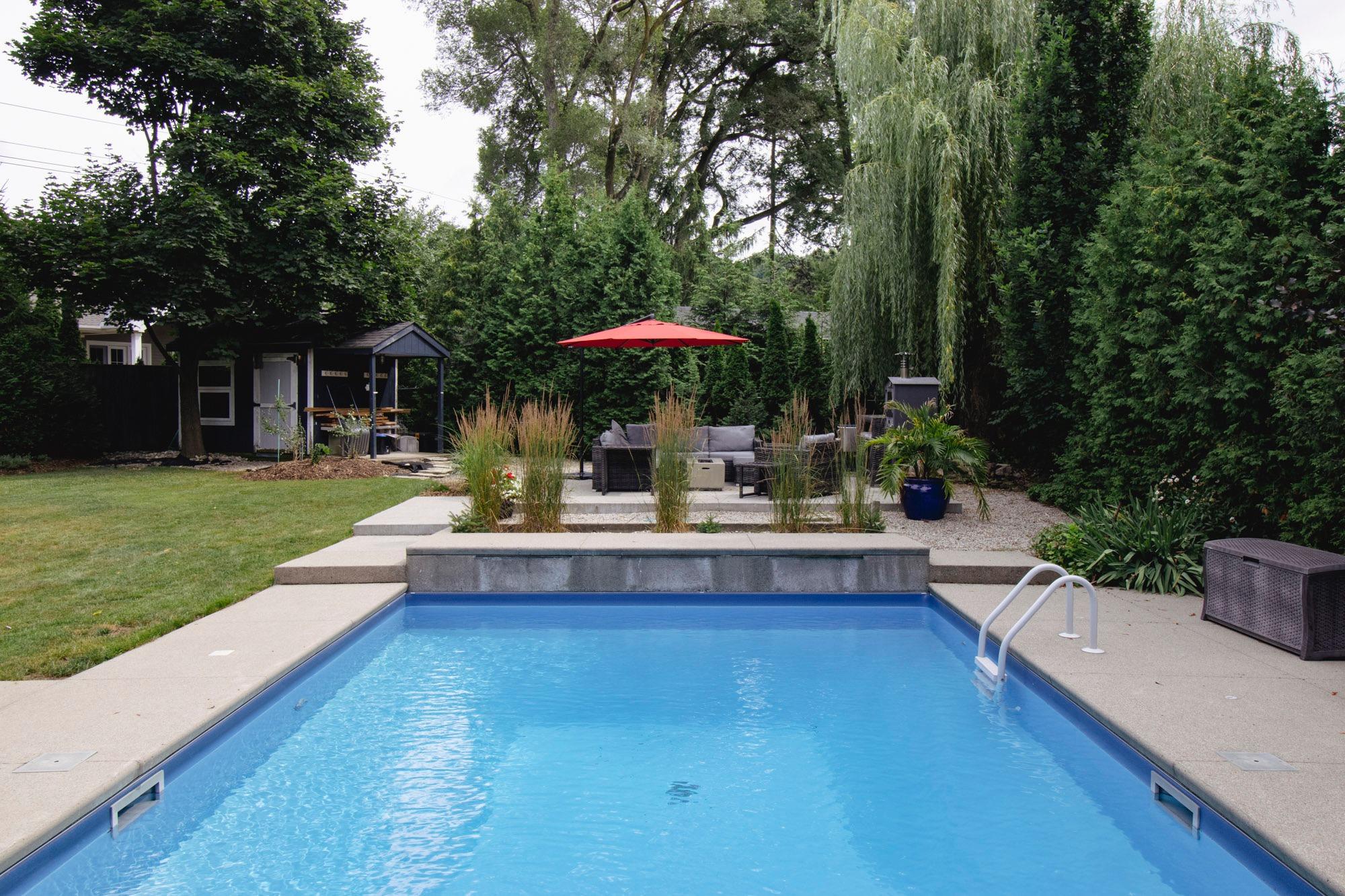
Thoughtful landscape construction focuses on longevity, function, and style in equal measure. It starts with a solid plan, detailed preparation, and a realistic timeline. It continues with careful installation, landscaping quality materials chosen for our local climate, and a workmanship approach where details both above and below ground receive the same level of attention.
Site Preparation And Landscaping Drainage Solutions
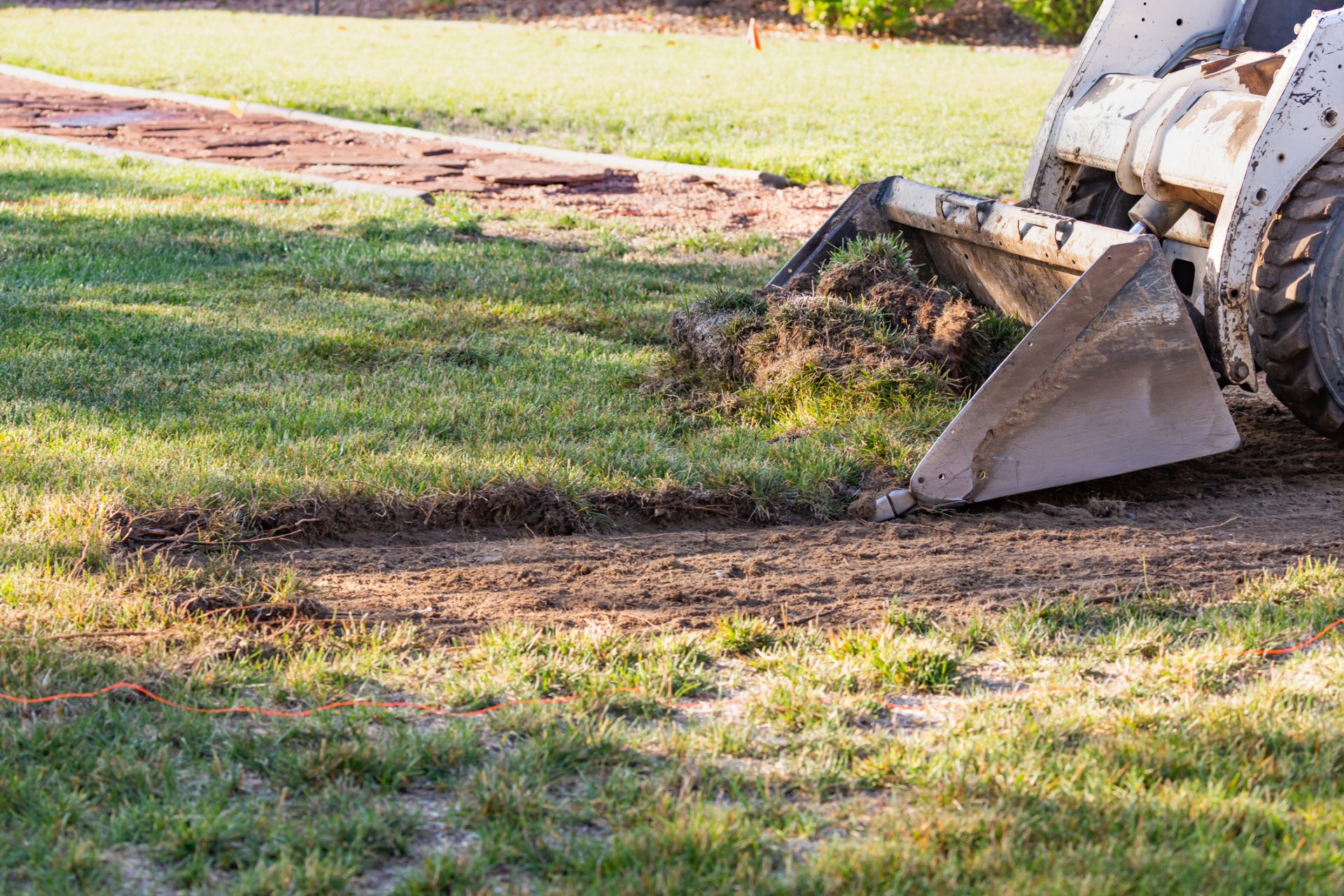
Every successful landscape construction project begins with what you rarely see: the preparation of the site. Hamilton lots often have compacted fill, mixed soils, and older grading that directs water toward patios and foundations. If you start building without addressing these conditions, any hardscape or planting layout will struggle.
Effective landscaping drainage solutions protect both your outdoor features and your home itself. Proper grading sends water away from the house, while French drains, catch basins, and gravel trenches slow and redirect runoff during heavy rain. In winter, this preparation reduces ice build‑up and helps prevent frost from lifting pavers and steps.
Key Steps In Site Preparation
- Assessment of existing grades, soil type, and how water moves across your yard.
- Removal of debris, old structures, and unsuitable fill that could cause future settling.
- Rough grading to create the shape of the site, followed by fine grading to support precise landscape construction details.
- Planning and installation of drainage components before any base materials go down.
- Compaction of subsoil so that it can support layers of aggregate, pavers, and structures.
Choosing Landscaping Quality Materials For Hamilton Yards
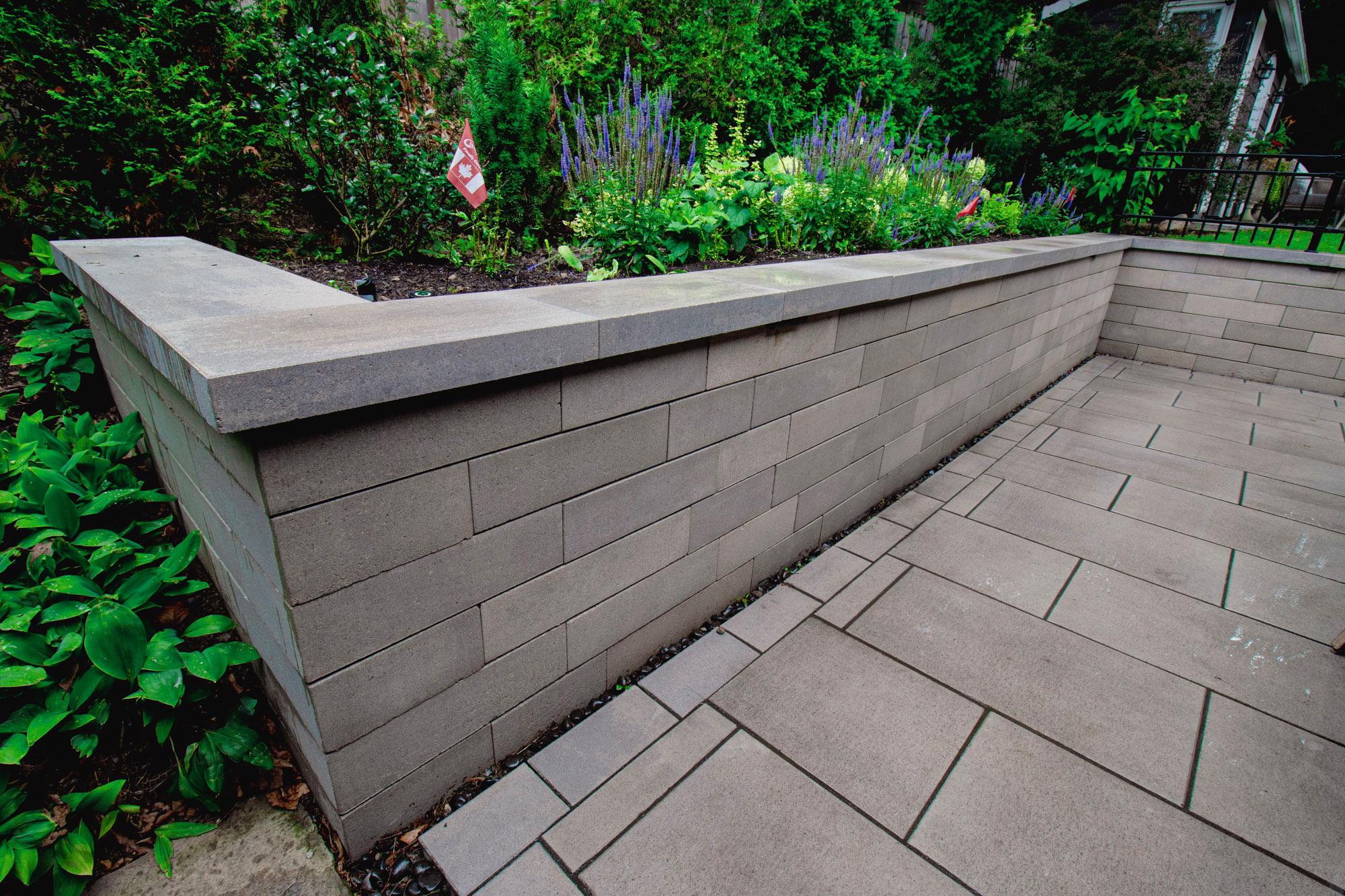
Materials are where you see and feel much of your investment every day. Yet the most elegant stone or wood will disappoint if it cannot stand up to Hamilton’s weather. Choosing landscaping quality materials for your project means thinking past the catalogue photo and into how each element performs under foot traffic, snow, and time.
High‑caliber landscape construction pairs the right material with the right application. For example, concrete pavers rated for freeze–thaw performance last far longer on driveways than thin slabs intended for light use. Pressure‑treated or composite lumber from reliable suppliers offers stability for decks and steps. Stainless or coated fasteners resist corrosion, keeping structures secure.
Questions To Ask About Materials
- Where were these materials sourced, and are they rated for our climate zone?
- What kind of wear can you expect in five or ten years with regular use?
- Is there a difference in performance between good, better, and best options for this application?
- How will these finishes look alongside your home’s brick, siding, and architectural style?
- Do manufacturer warranties support the level of landscape construction you expect for your property?
Proper Paver Base Installation To Prevent Pavers From Sinking
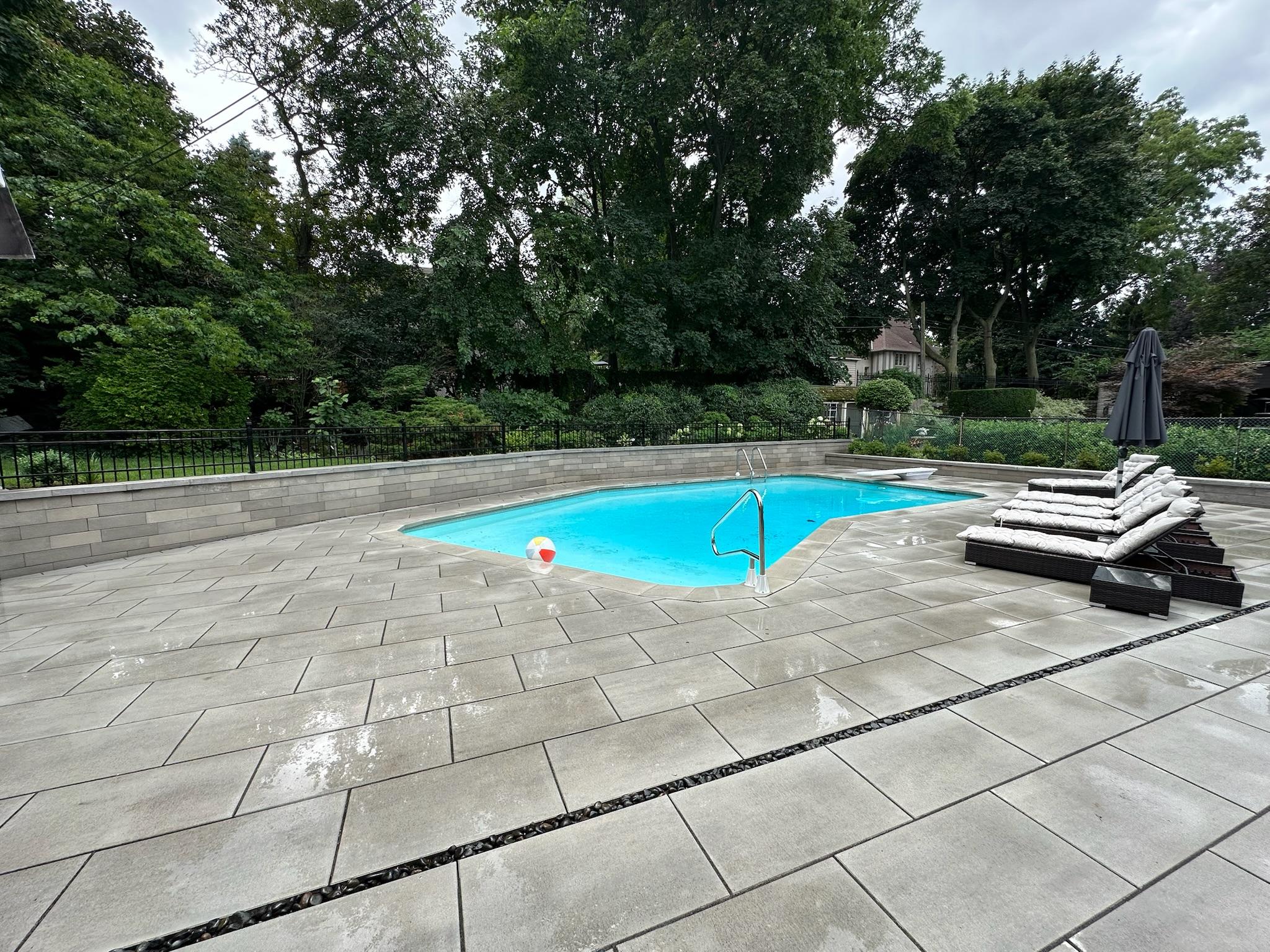
A patio or walkway fails long before you see the first loose stone. The issues usually trace back to the foundation underneath. When a contractor rushes or skips proper paver base installation, you may see dips, ridges, and gaps appear within a few seasons. To prevent pavers from sinking, the base must be engineered with the same care as any structural element.
In Hamilton landscape construction, that means digging deep enough to remove organic material, then rebuilding with compacted layers of crushed stone. Each lift is compacted thoroughly before the next goes down. Edge restraints keep the surface locked in place, while polymeric sand between joints adds stability and discourages weeds.
Checklist For Stable Pavers
- Excavate to the required depth for your soil conditions and use, whether it is a front walk or a driveway.
- Install a geotextile fabric where needed to separate subsoil from the aggregate base.
- Place angular, well‑graded aggregate in layers, compacting each layer with proper equipment.
- Level a final setting bed of finer material, without leaving soft spots.
- Install pavers in the chosen pattern, cut clean edges, and secure the perimeter.
- Sweep in polymeric sand, compact again, and top up joints so the surface stays firm.
These steps give your landscape construction a durable, even surface.
Landscaping Mistakes To Avoid In Landscape Construction
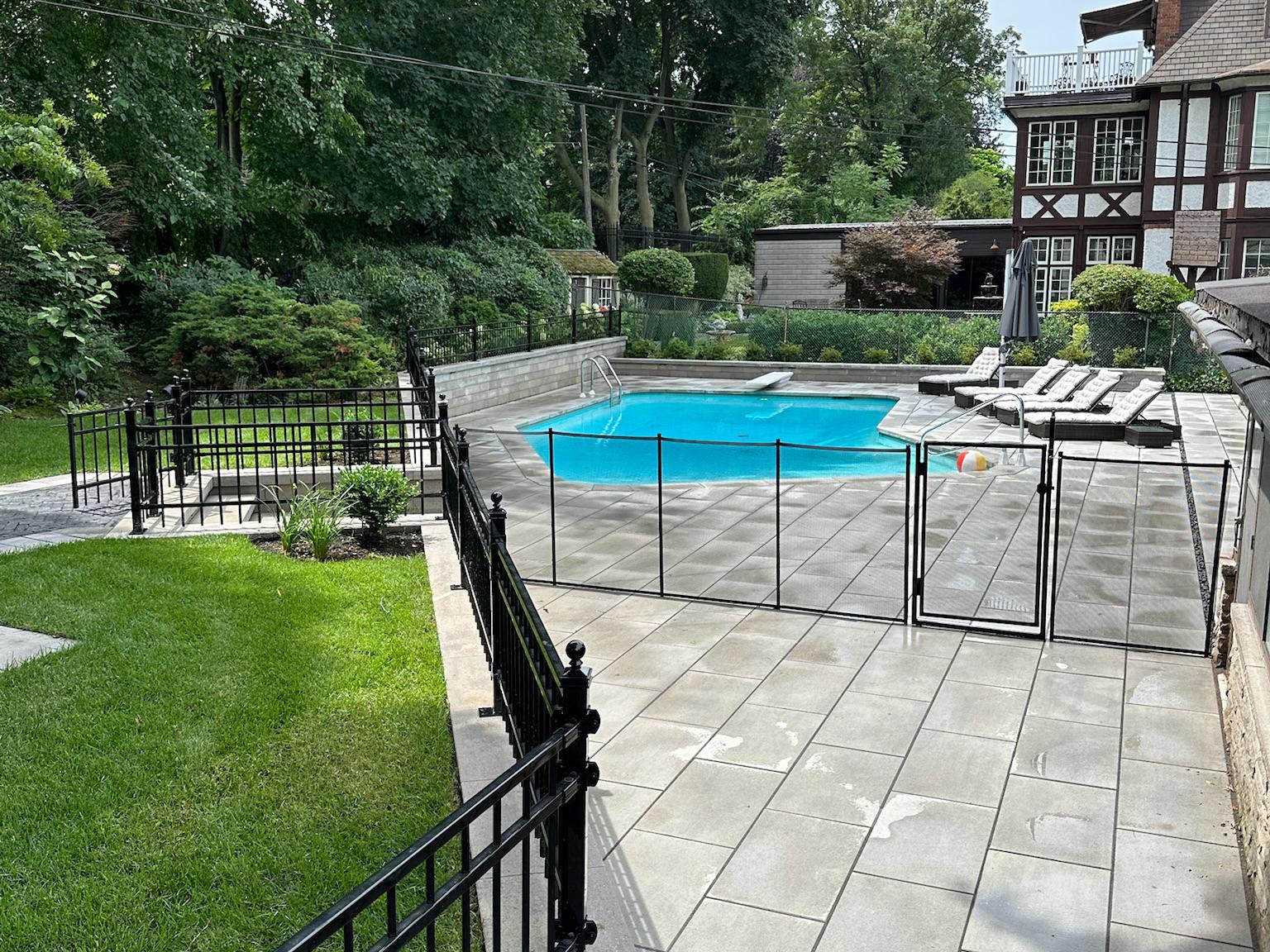
Many common problems can be traced to a handful of decisions made early in the project. Understanding the most frequent landscaping mistakes to avoid helps you ask better questions and review proposals with a sharper eye. It also gives you a framework for comparing different landscape construction approaches.
Common Pitfalls To Watch For
- Skipping a proper design can lead to awkward traffic flow, poor sightlines, or features that feel disconnected.
- Ignoring grades and drainage, which leaves water collecting against the house or in low spots on lawns and patios.
- Using a thin base or the wrong aggregate, which encourages movement, ruts, and uneven surfaces.
- Choosing materials based on appearance alone rather than on durability and suitability for the location.
- Rushing the work, especially compaction and curing times, weakens long‑term performance.
- Hiring on a handshake without clear documentation of scope, timelines, or how adjustments will be handled.
By insisting on proper planning and execution, you give your landscape construction the best chance to age gracefully, with surfaces that stay level and plantings that have room to thrive.
What A Strong Landscaping Warranty Really Means
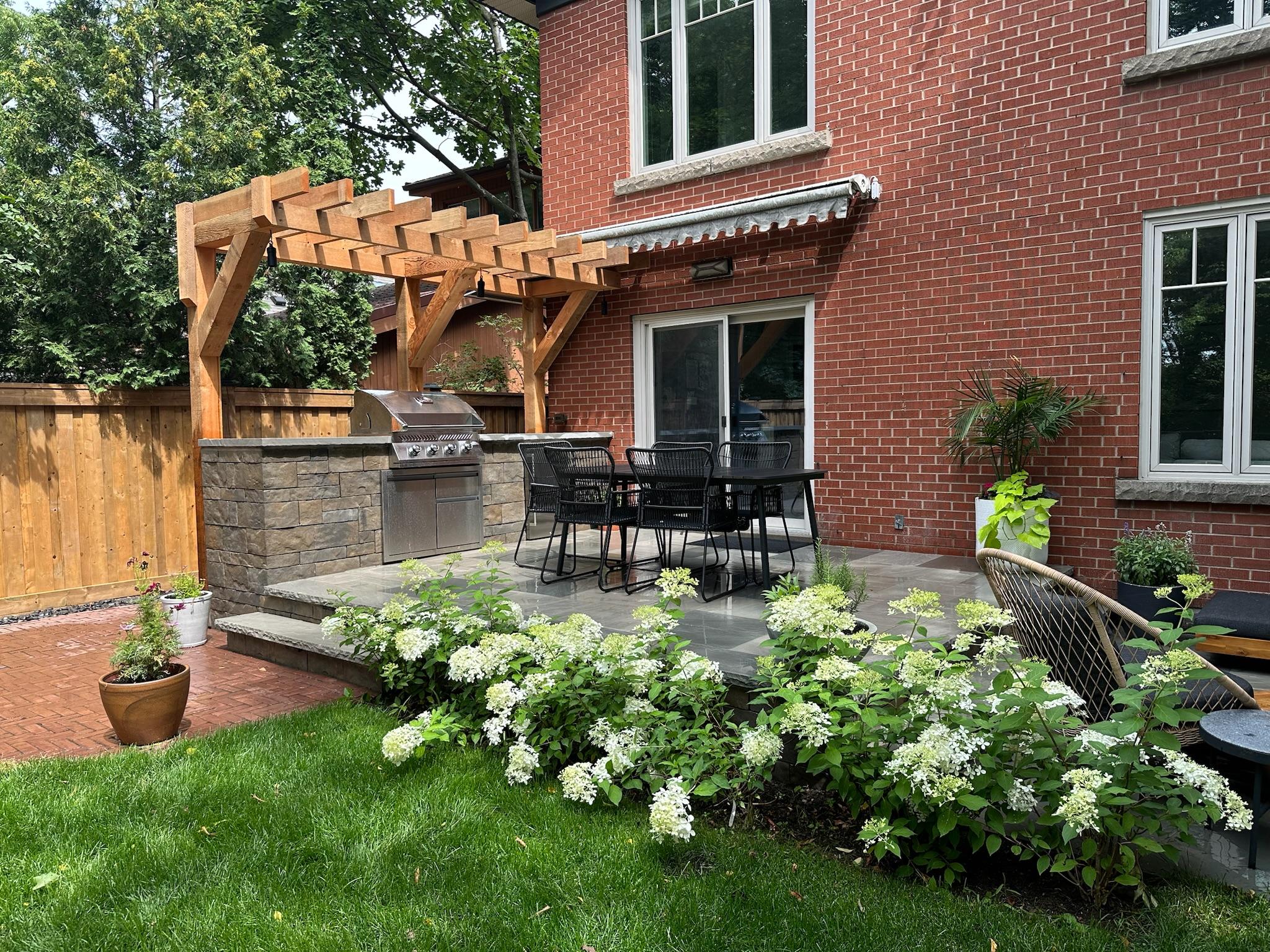
A landscaping warranty is your safety net once the tools leave your driveway. It shows how confident a contractor feels about their landscape construction methods. In Hamilton, where frost and heavy rainfall put outdoor work to the test, the details of this warranty matter just as much as the design drawings.
Look for clearly written terms that outline how long workmanship is covered and what kinds of issues are included. Reassuring language might mention settlement, sinking pavers, or shifting walls within a defined period. Some builders, including firms like ASM Build Group, provide workmanship coverage on sinking or settling for three to ten years. This kind of extended landscaping warranty signals a commitment to stand behind both visible finishes and the hidden preparation that supports them.
When you compare proposals, treat warranty details as a direct reflection of each company’s confidence in its landscape construction process and its respect for your long‑term satisfaction.
How To Spot A Quality Landscape Construction Contractor
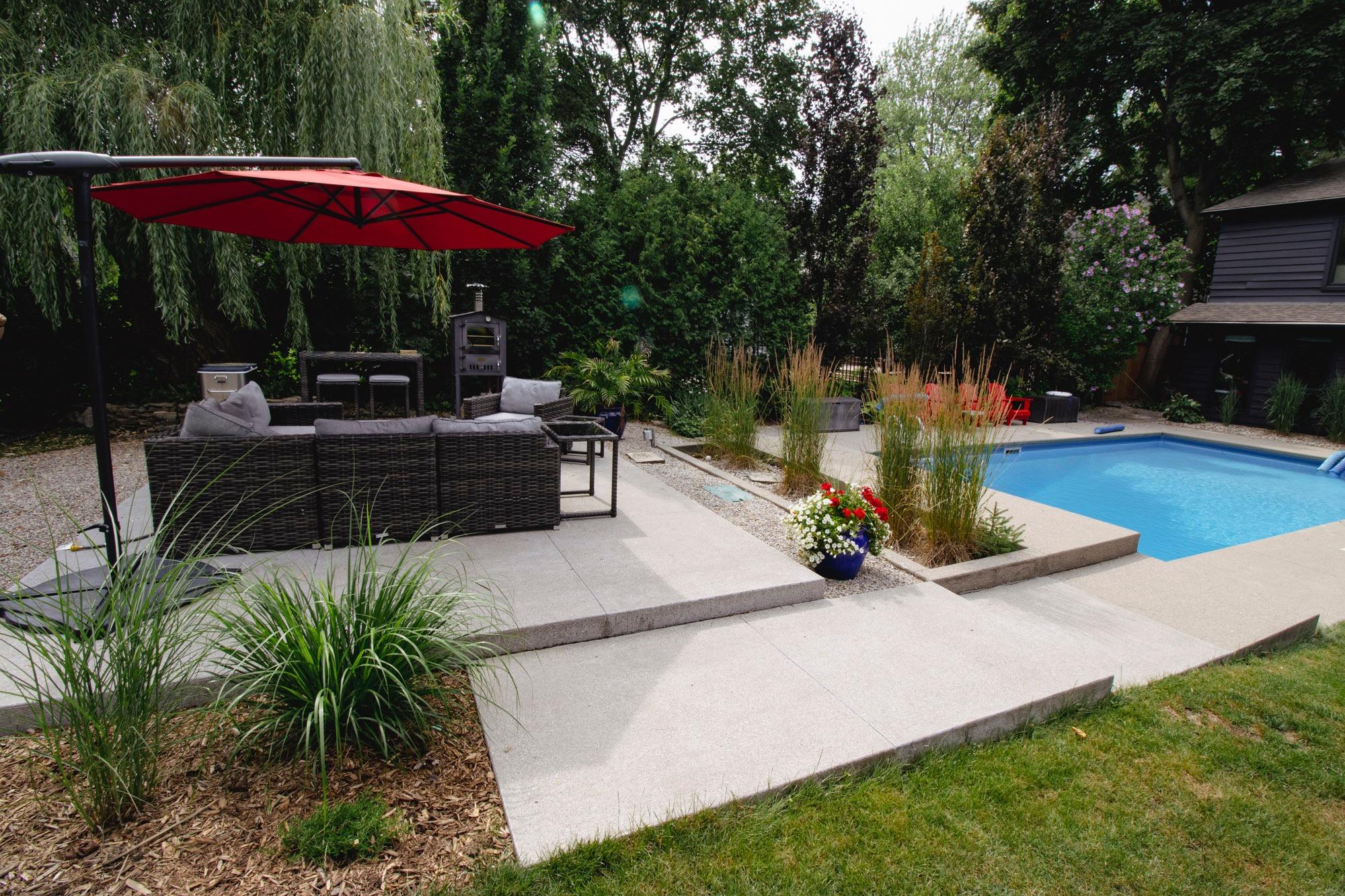
Choosing the right team is as important as choosing the right layout or materials. The contractor you invite into your yard shapes every decision, from grading plans to joint spacing. A skilled landscape construction contractor will be transparent, organized, and genuinely interested in how you want to use the space.
In Hamilton, you can often sense quality in the way a crew behaves on site. Everyone should appear knowledgeable about the work, able to explain what stage your project is at, and open to your questions.
Questions To Ask Before You Sign
- Can I see recent projects in Hamilton with a similar scope, including photos, after at least one winter?
- Who will be on site each day, and who is responsible for day‑to‑day decisions?
- How do you handle unexpected site conditions, such as poor subsoil or hidden drainage issues?
- What training or standards guide your crew’s workmanship on base preparation and finishing details?
- How is the landscaping warranty structured, and who should I contact if I notice an issue later?
These conversations give you insight into how a contractor thinks about landscape construction and whether their values align with your expectations for care, clarity, and style.
Quality Landscape Construction Vs Cutting Corners Over Time
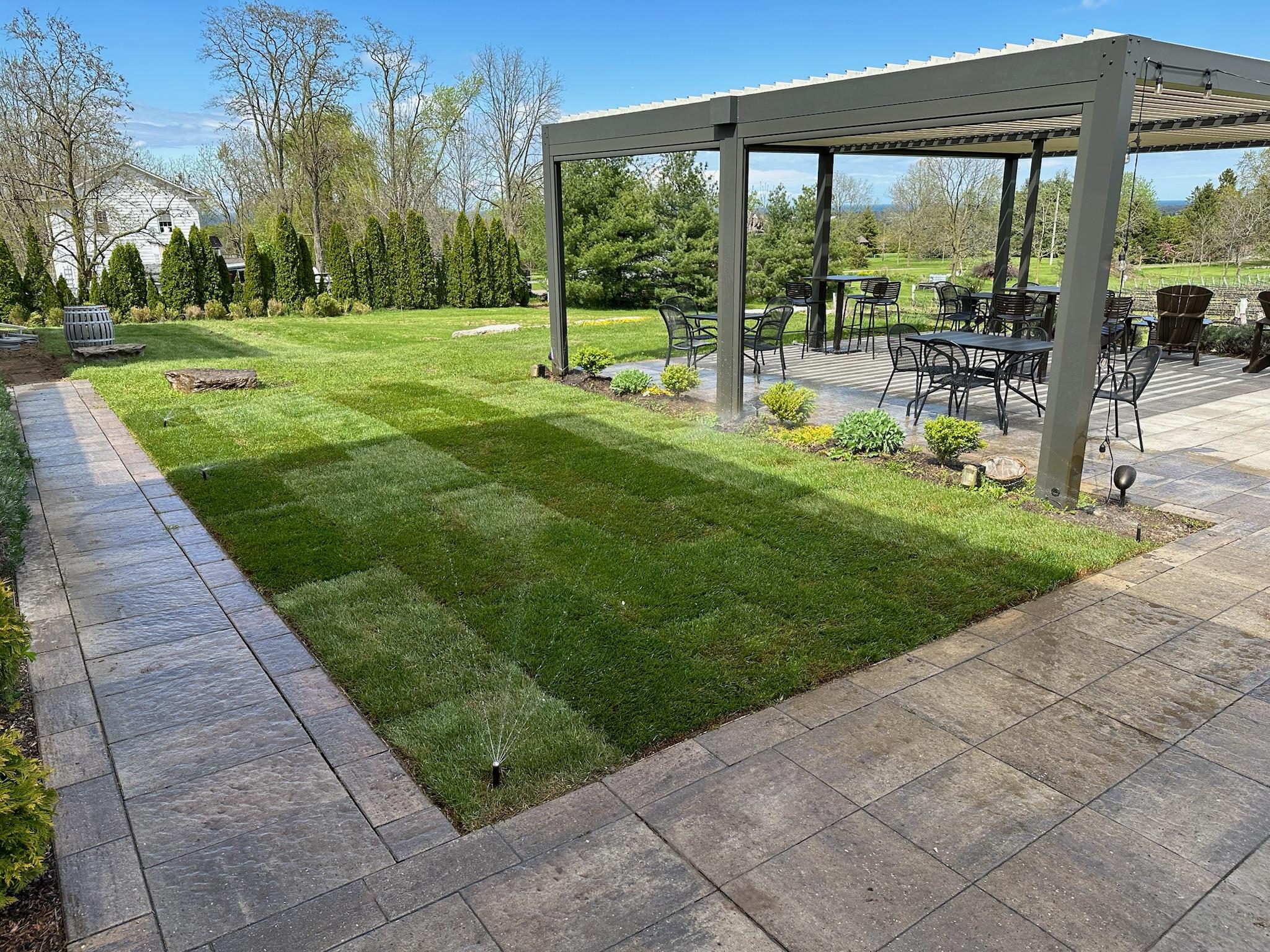
At first glance, two quotes for a patio or full yard project can look similar on paper. The real difference lies in the depth of preparation, the caliber of materials, and the experience behind the plan. High‑quality landscape construction respects the science of soil, water, and structure, even when those choices are less visible.
When corners are cut, the effects do not appear right away. You might enjoy the new space for a season or two before dips, puddles, and shifting stones appear. Correcting these problems later often means paying to remove and rebuild parts of the work. In contrast, well‑executed landscape construction gives you stable patios, comfortable steps, and plantings that flourish with far less remedial effort.
Long-Term Benefits Of Doing It Right
- Surfaces stay safer for guests, with fewer trip hazards and icy patches.
- Structures such as retaining walls and steps keep their crisp lines for many years.
- Drainage continues to protect your foundation and planting beds during heavy storms.
- Your yard remains a calm, ordered space, rather than a project that constantly needs repairs.
Planning Landscape Construction That Lasts For Your Home
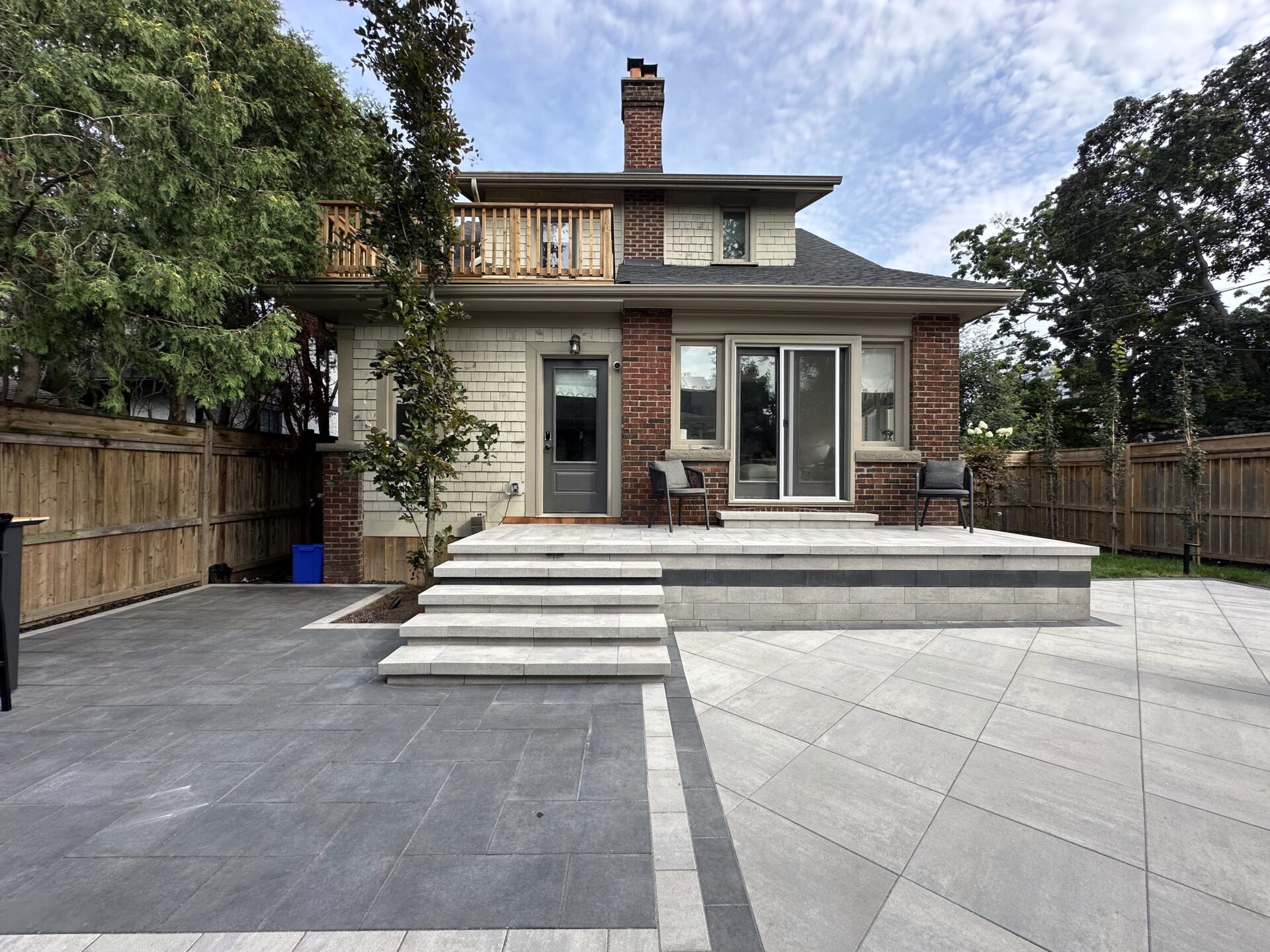
Your outdoor space is part of your home’s personality and daily life. When you commit to thoughtful landscape construction, you invest in a yard that stays attractive, safe, and easy to live with through Hamilton’s changing seasons. The keys are sound preparation, landscaping quality materials, skilled craftsmanship, and a landscaping warranty that gives you confidence.
As you plan your project, take time to review site drainage, ask how crews prepare the base, and look closely at previous work in your neighbourhood. Notice how contractors communicate with you and with each other. A company whose culture reflects an owner’s pride, as with ASM Build Group and Andrew’s eye for detail, tends to produce projects that photograph beautifully years after completion.
When you choose landscape construction guided by these principles, your yard becomes a refined, welcoming setting for everyday living, from quiet mornings with coffee to larger gatherings with friends and family. To explore how these ideas could shape your own property, request a consultation today!
Tags: