
Garden Installation 101: Tips for Planting and Landscaping
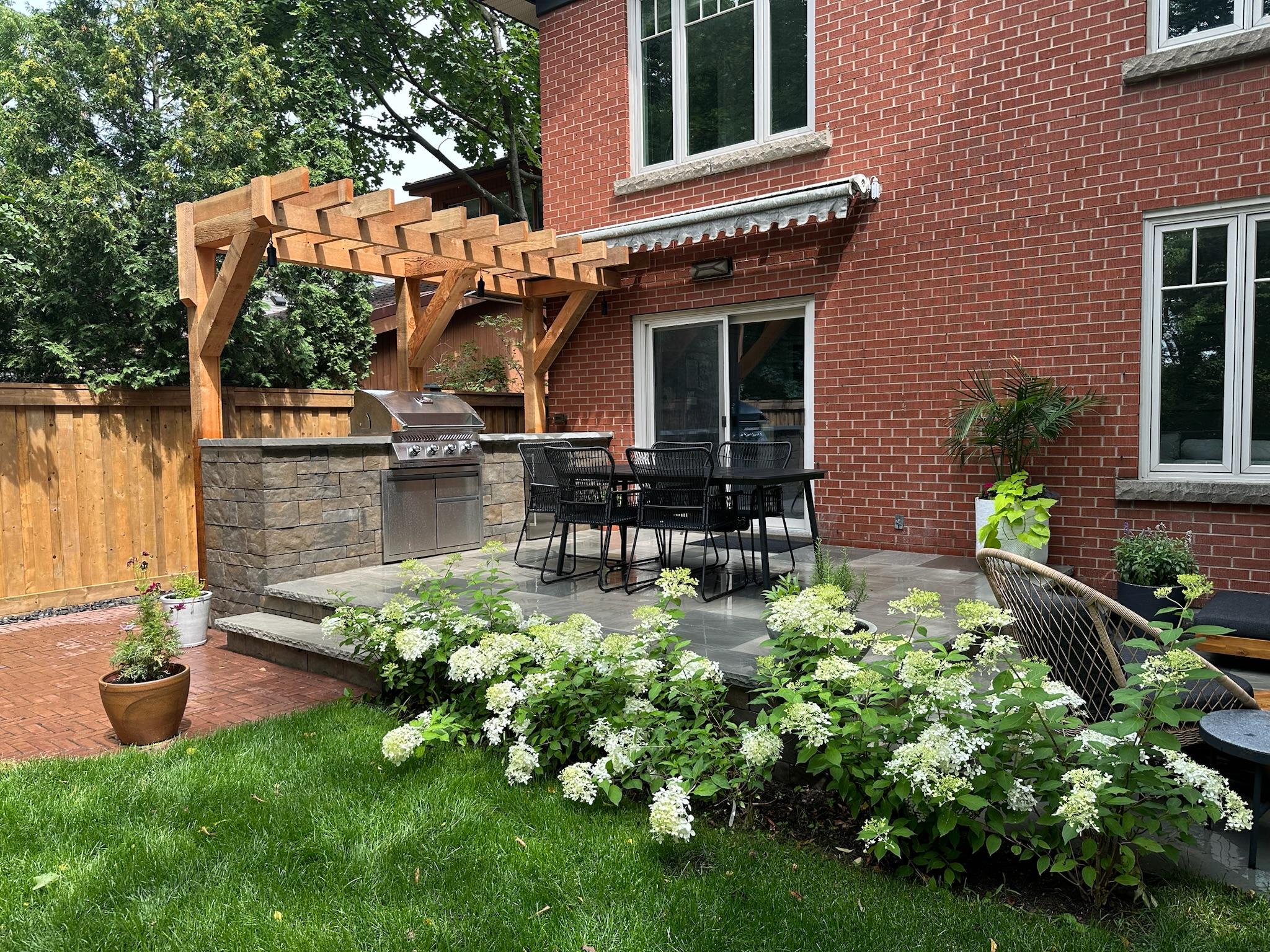
You can picture the garden before planting anything: deep, layered beds, soft textures, and colours that shift with the seasons. The vision comes together easily in your mind: complete, expressive, alive. But once the first season passes, reality can feel different. A few plants struggle to establish. Beds that seemed full now appear patchy. Some areas are flat or unfinished. The garden looks younger, less confident than you imagined.
These early growing pains often begin below the surface. The soil may not have been adequately prepared. Planting depths might be slightly off. A layout that worked on paper may not suit the real conditions on site. In most cases, the design isn’t the issue, the installation is.
A successful installation considers not only how the garden will look on day one, but also how it will evolve. Soil must be matched to plant needs and carefully conditioned. Placement should account for microclimates, drainage, and long-term spacing. Even strong designs benefit from adjustments made during planting, based on real site conditions. When these details are handled with care, the garden is better equipped to establish itself and thrive over time.
For a comprehensive overview of how garden installation integrates into a comprehensive landscape transformation, explore our Landscape Design and Build Guide.
Preparing for a Garden Installation
Understanding the Role of the Garden in the Overall Landscape
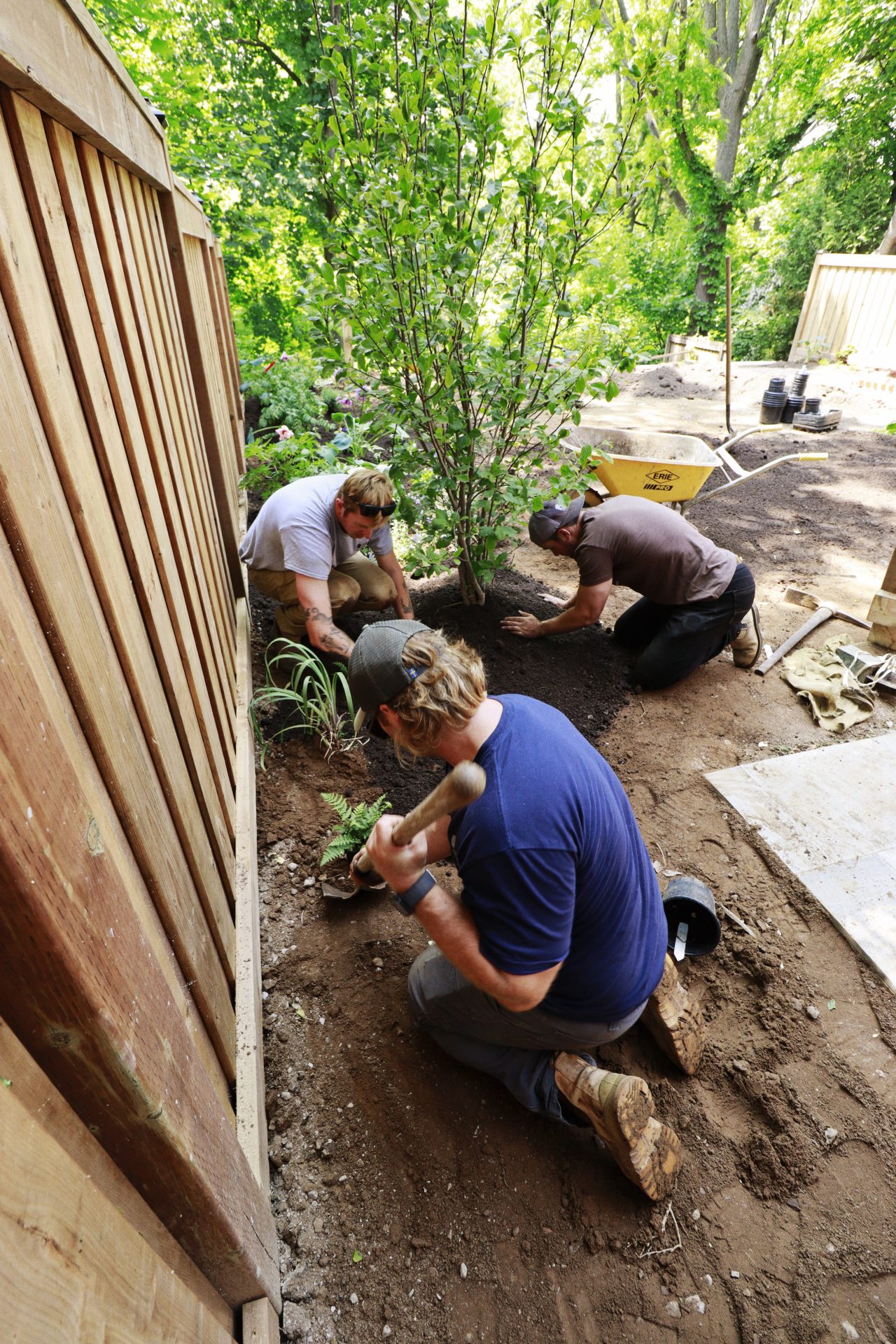
A garden works best when it complements the rest of your outdoor space rather than feeling separate from it. The planning stage shapes this connection. It clarifies how the garden should look, how it should function, and how it should contribute to the flow of the yard.
Professional landscapers like our team at ASM Build Group begin by identifying the purpose of the new garden. Some beds are created to soften hardscape edges. Others are meant to provide privacy, seasonal interest, or a stronger sense of structure. These goals guide the plants, layout, and style.
Evaluating Space, Style, and Function
Before anything is planted, it helps to consider:
- How the garden should feel from different viewpoints
- How much sunlight reaches the area throughout the day
- How the garden will connect to patios, walkways, and lawns
- What visual style or mood you want the space to express
This early clarity prevents mid-project changes, keeps the garden cohesive, and ensures it enhances the entire property.
Soil Preparation for gardens: an essential foundation
Assessing Soil Conditions
Soil is the foundation of every successful garden installation. Even the best plants struggle when the soil is not prepared correctly.
A professional assessment typically considers:
- Soil texture
- Organic matter levels
- Moisture retention and drainage
- Soil compaction
- pH balance
These factors determine how well plants can establish strong roots.
Improving Soil for Long-Term Growth
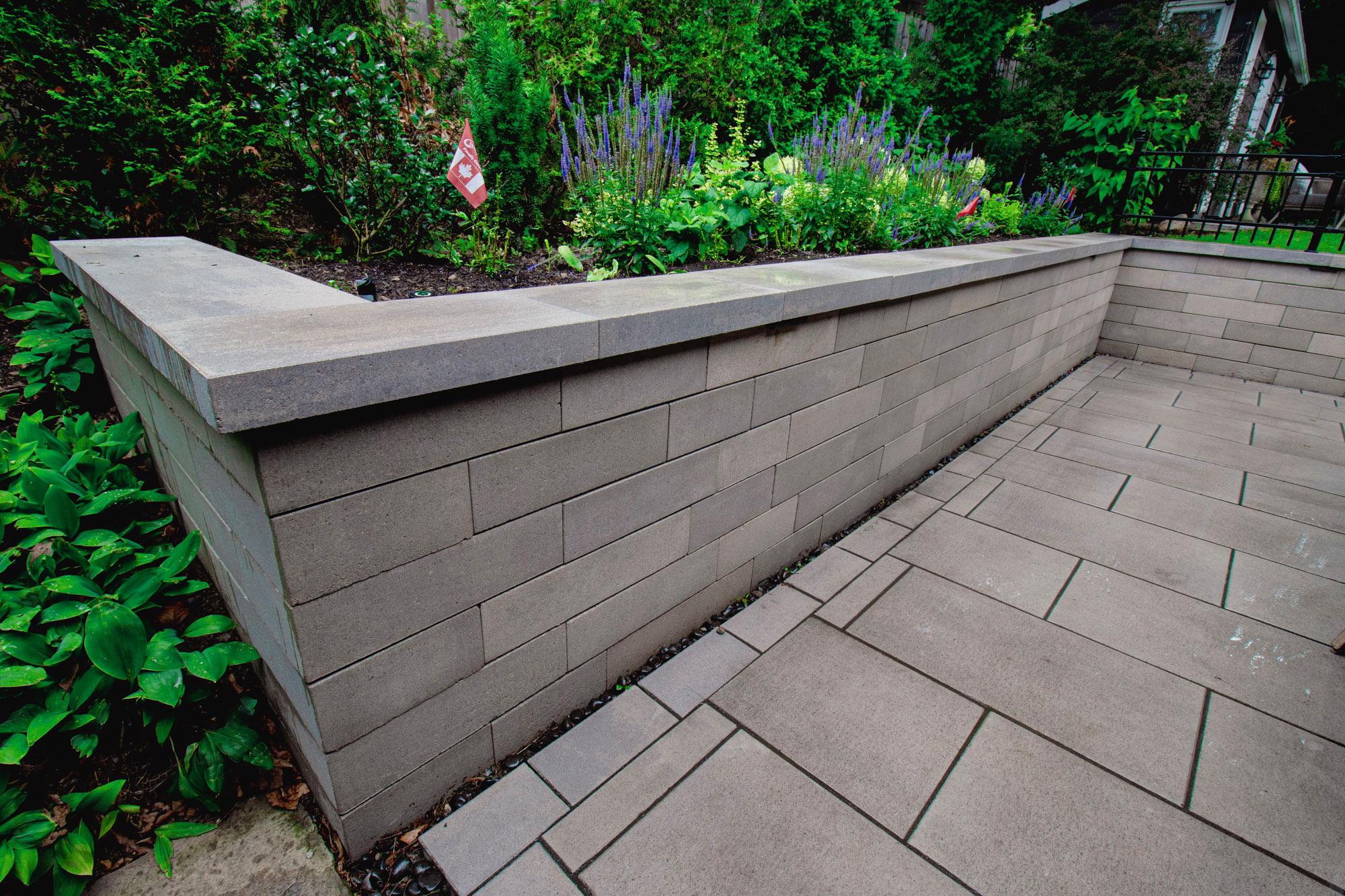
Once conditions are understood, the soil is shaped into a healthy growing environment. Compost may be added to improve structure. Sand may be incorporated to help with drainage. Beds are loosened and graded to prevent water from collecting around plant crowns. Additional topsoil may be used to create depth and support layering.
This preparation ensures that roots grow downward with strength and that the bed remains healthy long after installation is complete.
Choosing Plants for Your Landscape
Matching Plants to Site Conditions
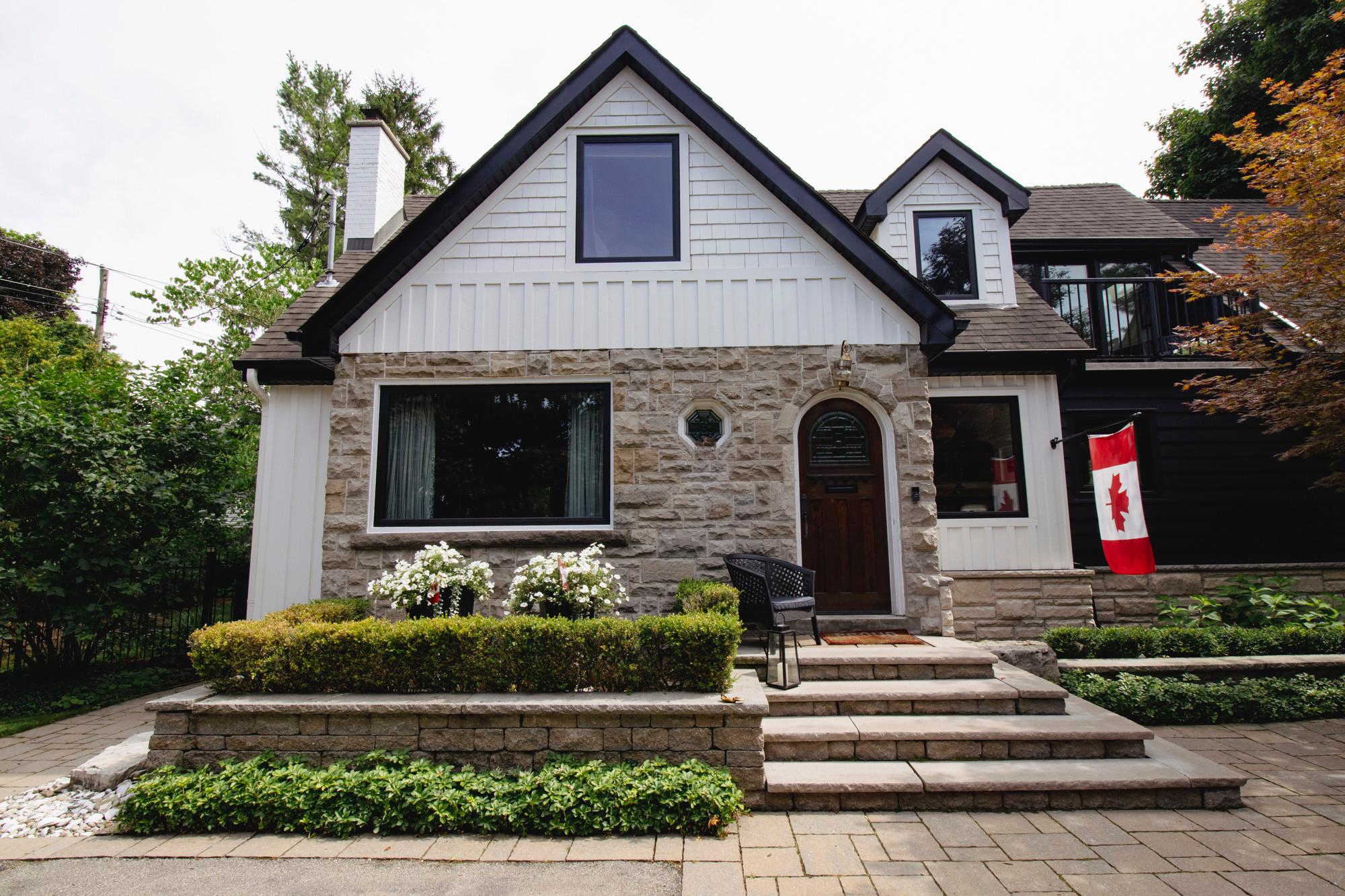
Plant selection is both creative and strategic. It influences the appearance of the space and the overall maintenance requirements. Professional landscapers consider factors such as soil type, sun exposure, moisture levels, climate, mature plant size, and textural balance when designing landscapes.
A plant that thrives in morning sun may struggle in full afternoon heat. A species that prefers dry soil will fail in a shaded, damp corner. Each choice must respond to the garden’s natural conditions.
Benefits of landscaping with Native and Climate-Adapted Plants
Native plants and climate-adapted species often provide long-term benefits, including:
- Lower water requirements
- Fewer pest and disease issues
- Better support for pollinators
- Greater resilience through seasonal changes
When paired with a thoughtful layout, these plants help the garden feel prosperous, complete, and thriving with less maintenance.
Planting Basics: How to plant a garden bed
Laying Out the Design On Site
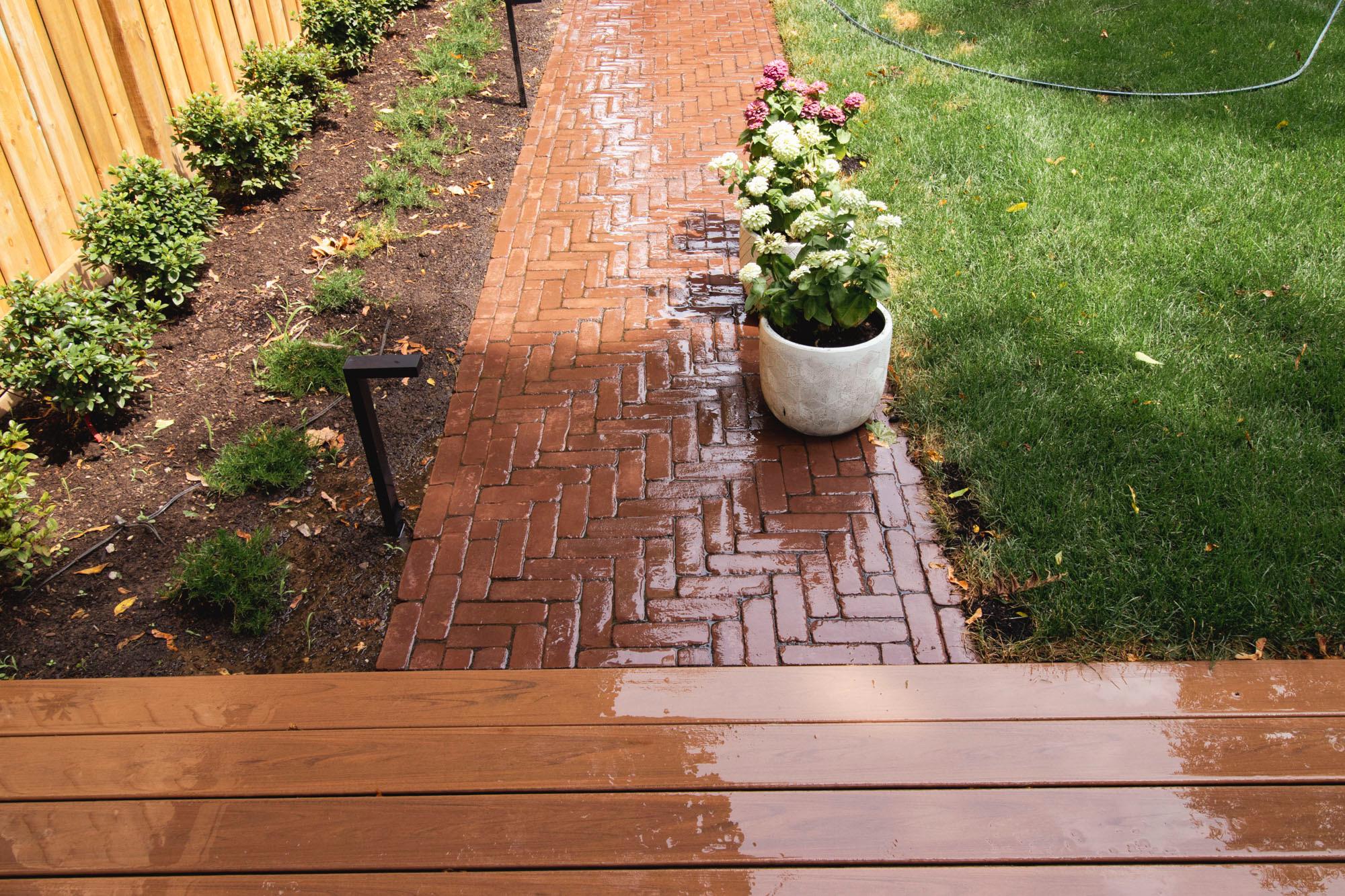
Even the most detailed drawing needs to be reviewed on location. Professionals mark the garden bed to confirm spacing, proportion, and visual flow. Plants are placed in their intended positions before digging begins. This step ensures the layering suits the site, the design vision, and the surrounding features.
Professional Planting Techniques
Planting may seem straightforward, but technique matters. At ASM Build Group, we focus on:
- Digging holes at the correct width and depth
- Loosening root systems without damaging them
- Avoiding soil compaction around the crown
- Watering plants deeply after installation
- Adjusting spacing based on real-world conditions
- Ensuring plants face their strongest side toward primary views
These steps support strong early establishment and reduce the risk of stress in the first year.
Mulching and Watering: Helping Your Garden Thrive

Why Mulch Matters
Mulching is more than a finishing touch. It stabilizes soil temperature, slows moisture loss, suppresses weeds, and protects young roots. A layer of two to three inches is typically ideal.
Different mulch types serve various purposes. Professionals choose a material that suits your aesthetic preferences and the needs of the specific plants.
Watering for Strong Establishment
New gardens need consistent moisture during their first season. Deep and infrequent watering encourages roots to grow downward rather than remaining at the surface. Temporary irrigation systems or structured hand-watering routines help support this development.
Proper watering at the beginning reduces long-term maintenance and gives the garden the momentum it needs to grow confidently.
Common Garden Installation Mistakes to Avoid
Installation Errors That Affect Growth
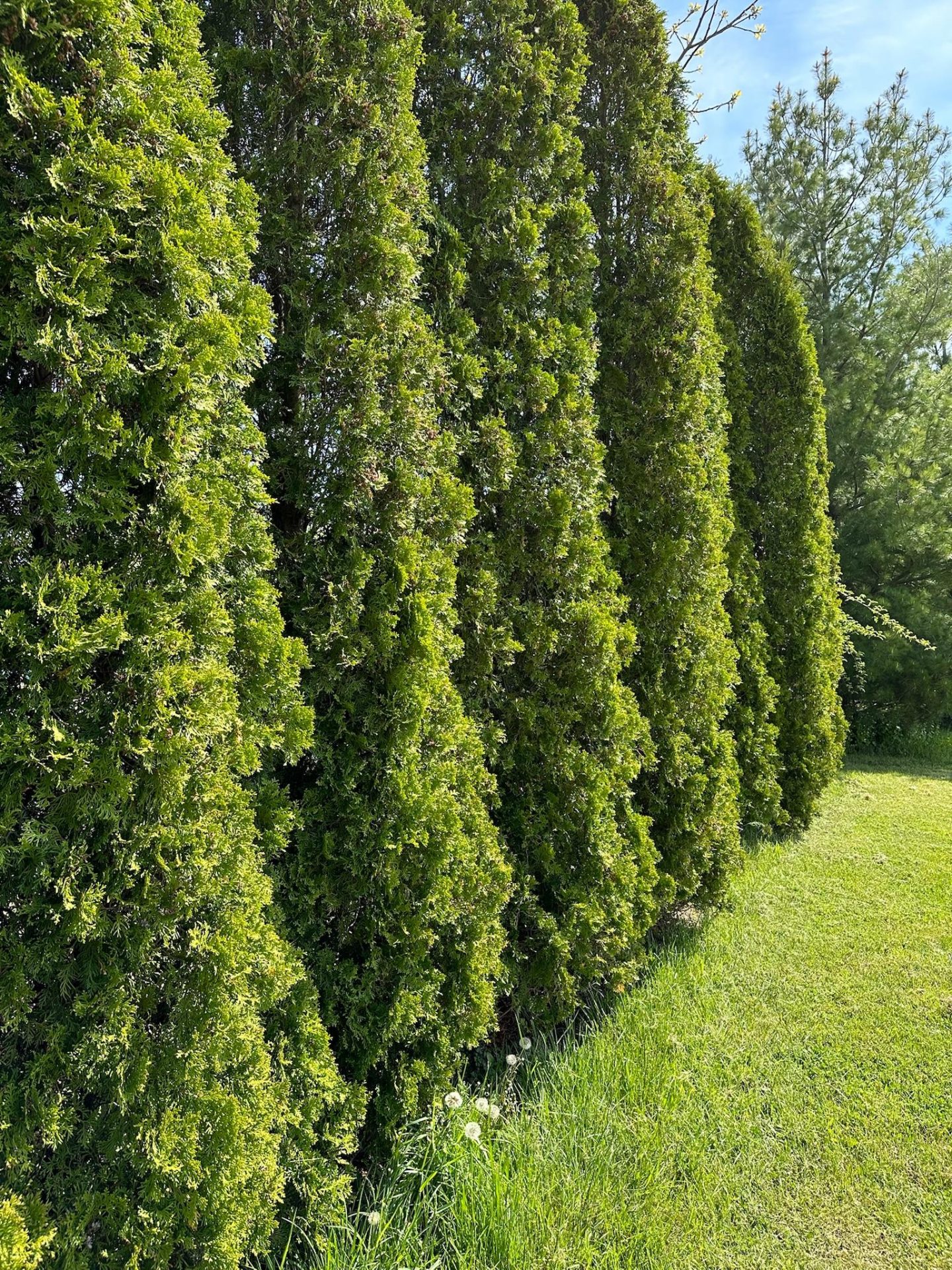
Several common issues limit a garden’s ability to thrive, including:
- Planting too deeply or too shallow
- Overcrowding plant material
- Ignoring soil preparation
- Incorrect or suboptimal garden bed installation
- Rushing the installation process
- Watering inconsistently during the first month
These errors may look insignificant at the time of planting, but they have long-term consequences.
Why Professional Installation Prevents These Issues
A professional team avoids these pitfalls because each step is informed by horticultural knowledge and practical experience. When the fundamentals are handled correctly, your garden begins its life with strength and balance.
Landscape Planting for Low Maintenance
Low-Maintenance Landscaping Plant Choices
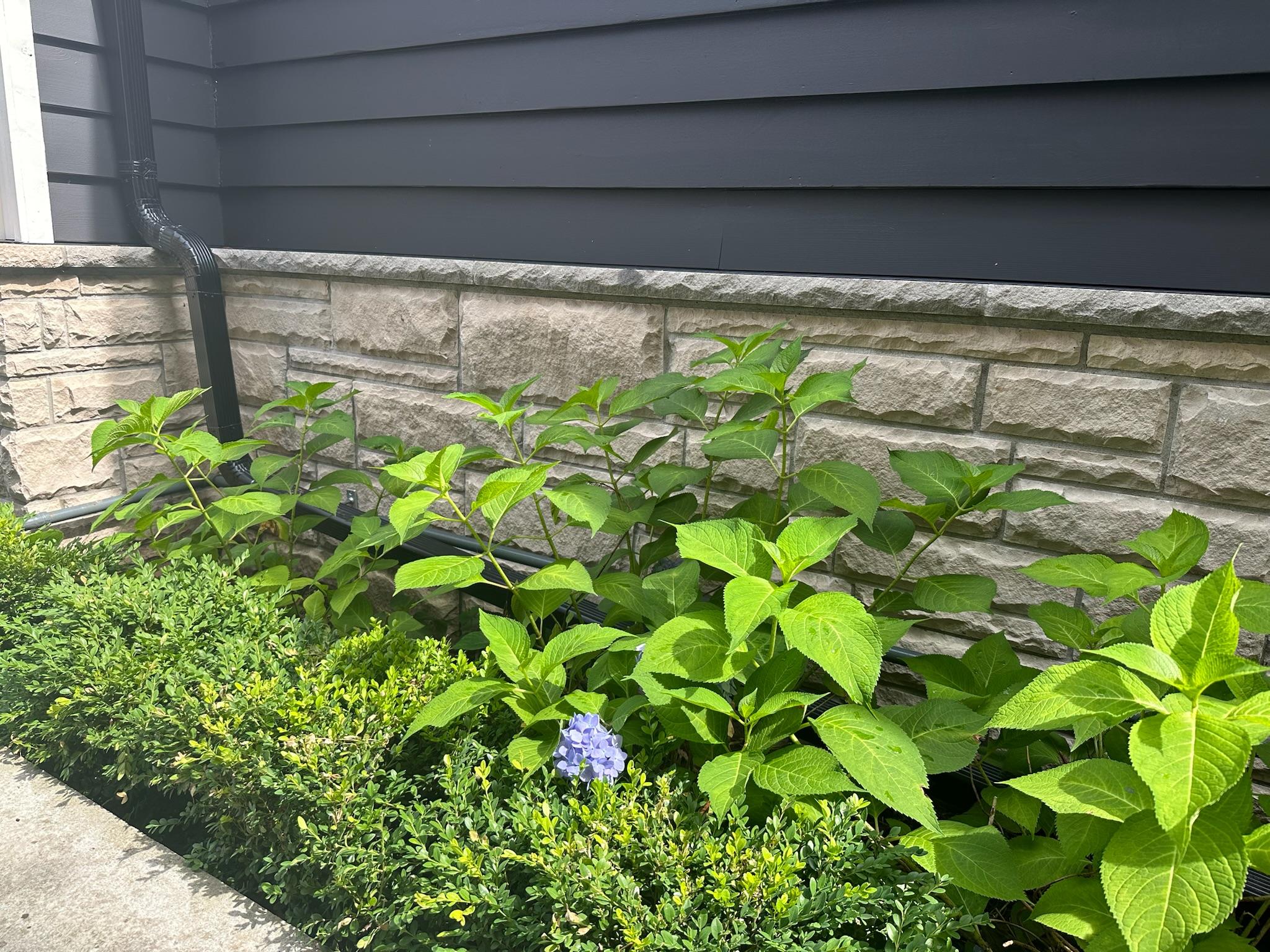
If you prefer a garden that requires less attention, plant selection can be tailored to support this goal. Hardy shrubs, drought-tolerant perennials, evergreen structure plants, and resilient groundcovers all create visual beauty with fewer demands.
Design Strategies That Reduce Upkeep
A well-designed garden uses thoughtful spacing, simplified bed shapes, and strategic grouping. Larger plant masses reduce weeding. Efficient bed lines simplify trimming. These choices create a landscape that feels intentional and remains manageable throughout the year.
Long-Term Care: Ensuring Your Garden Matures Beautifully
Seasonal Tasks That Support Growth
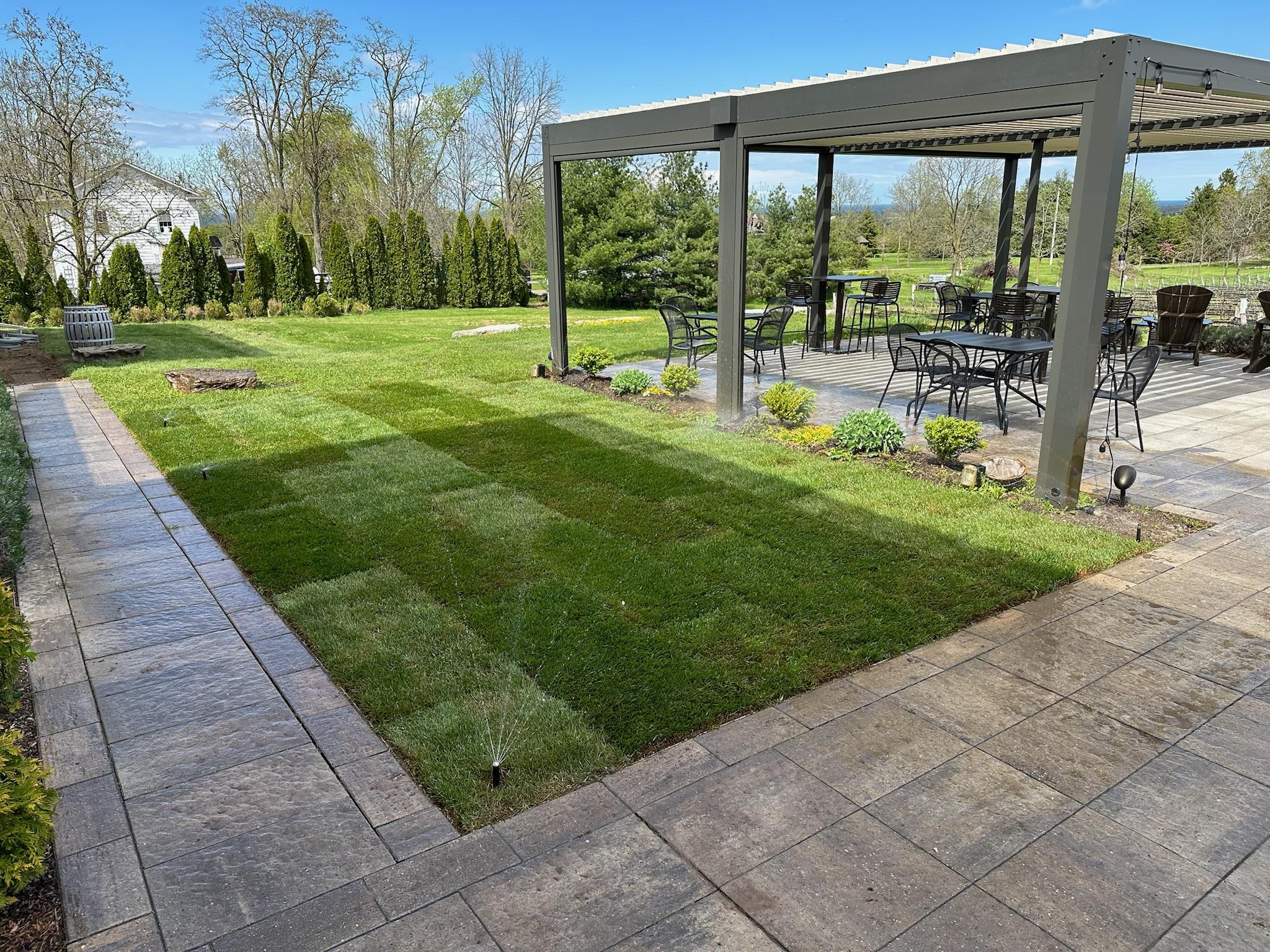
If you prefer a garden that requires less intensive attention and effort, your plant selection is the first and most effective way to support this goal. Choosing tough, established varieties is key. Hardy shrubs require minimal pruning and watering once established. Drought-tolerant perennials thrive with less supplemental water. Evergreen structure plants provide year-round interest and require little fuss, and resilient groundcovers help suppress weeds, all creating visual beauty with significantly fewer demands on your time.
How Professionals Guide Long-Term Care
A truly low-maintenance garden isn’t just about plant choice; it’s about smart design. A well-designed garden utilizes thoughtful spacing to allow plants to mature without overcrowding, simplified bed shapes for easy trimming, and strategic grouping of plants with similar needs. Planting in larger, denser masses significantly reduces the area where weeds can take hold, cutting down on weeding time. Designing with efficient, smooth bed lines and edges simplifies the task of mowing and trimming. These intentional choices create a landscape that not only feels purposeful but also remains easily manageable and beautiful throughout every season of the year.
Ready to Plan Your Garden Installation?
A successful garden installation combines meticulous preparation, expert guidance, and thoughtful execution. When you work with ASM Build Group, your garden is shaped intentionally from the first conversation to the final watering. Whether you want vibrant colour, structure, privacy, or a landscape that requires less maintenance, our team helps you create a space that grows with confidence.
If you are ready to begin designing or refreshing your garden, we would be happy to help.
Request a consultation and start planning a garden that matures beautifully over time.
Summary
A truly thriving garden relies on expert installation that goes beyond design, focusing on crucial subterranean factors to ensure plant health and resilience. Key steps for success include meticulous site planning, thorough soil improvement with amendments, strategic plant selection matched to site conditions, and proper planting techniques regarding depth, spacing, and root care. Finally, finishing with a two-to-three-inch layer of mulch and establishing a consistent, deep watering routine in the first season are essential for long-term health, avoiding common mistakes like planting too deep or ignoring soil preparation.
Tags: