
Landscape Design and Build Guide: Crafting Your Outdoor Oasis
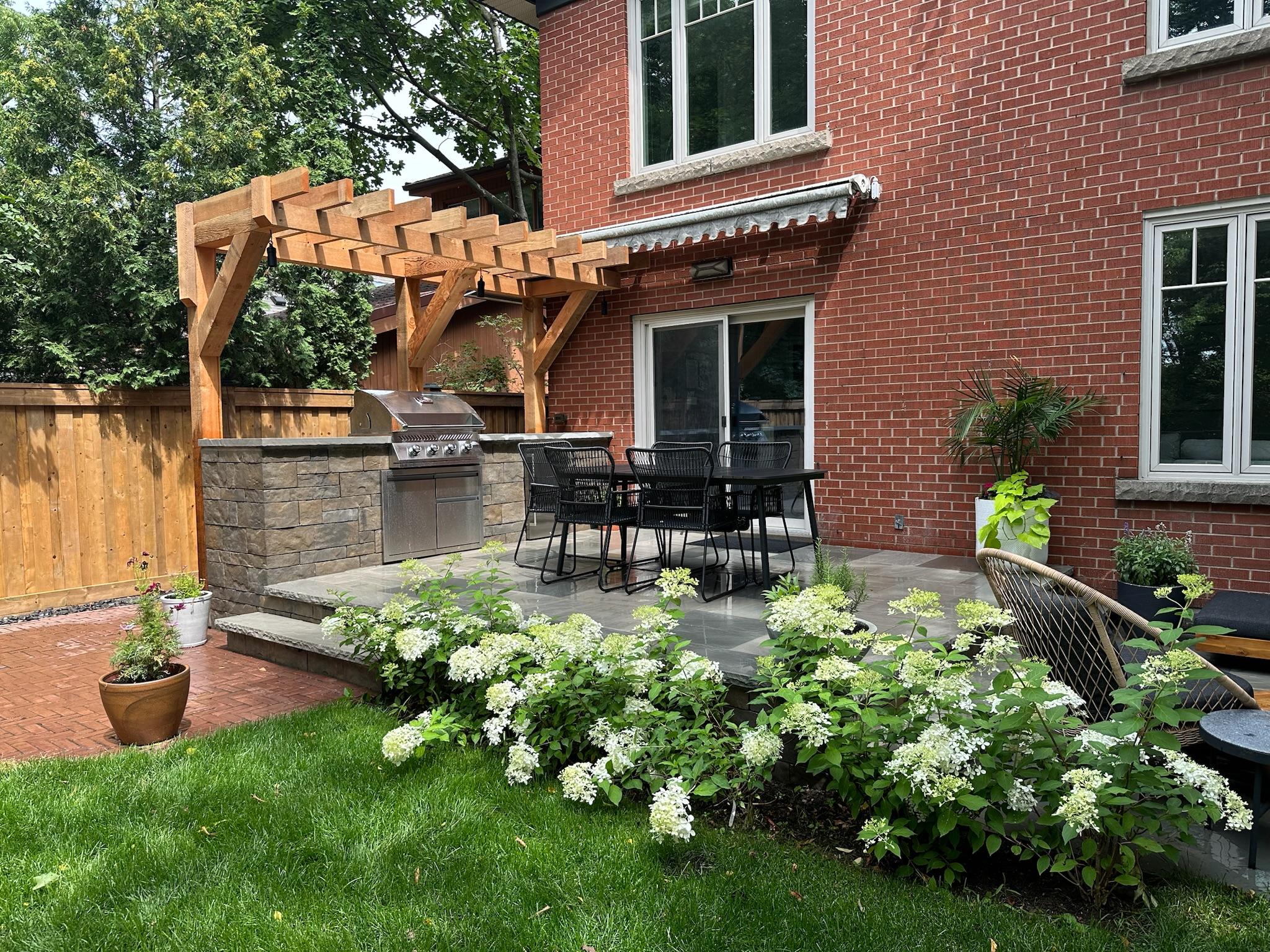
A beautifully designed backyard can become the most enjoyable part of your home. However, when you attempt to manage separate designers, contractors, and trades, even simple ideas can become a maze of delays, miscommunications, and unexpected costs. The process becomes more complicated than it needs to be, and the final space often falls short of what you had imagined.
That is why more homeowners are choosing a design-build landscaping approach.
With one expert team handling your landscape design and build from concept to completion, every detail stays aligned with your vision. Communication is clearer. The workflow is smoother. And the finished outdoor oasis looks and functions exactly the way you hoped.
In this guide, you’ll learn how the design-build model streamlines every stage of a project. We’ll explore how to plan a landscape project, the benefits of a unified team, break down the design process, walk through construction, and highlight how thoughtful planning, quality craftsmanship, and smart plant selection bring a long-lasting landscape to life.
The Benefits of a Design-Build Approach for Homeowners
One Team, One Contract, One Vision
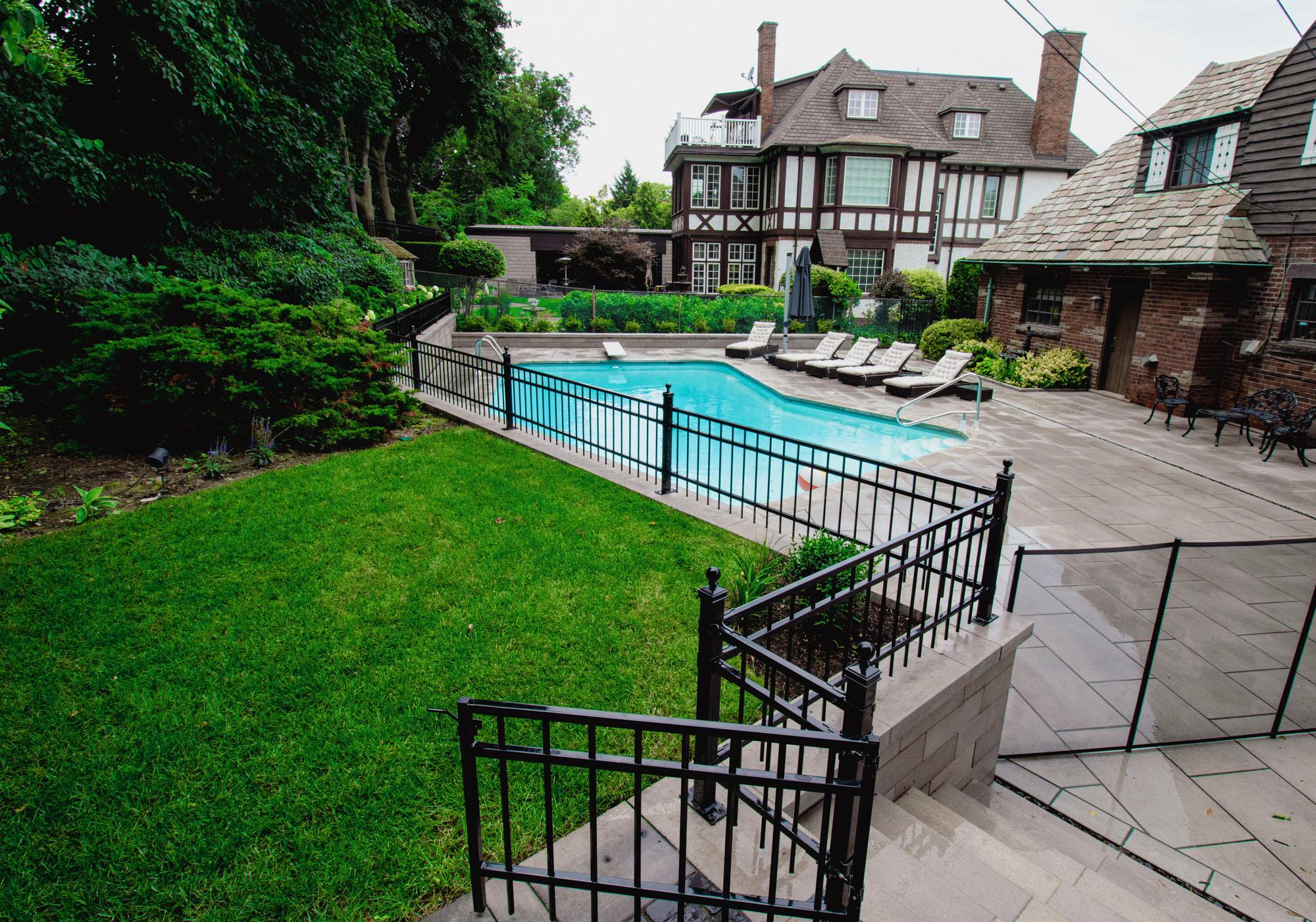
When you choose a design-build landscaping firm, you get a single dedicated team managing your entire project. Designers and builders work under one contract and share a unified vision, eliminating the need to juggle multiple contractors and worry about miscommunications between separate companies. Your design, budget, and construction timeline are developed together, providing you with accurate expectations from the start and eliminating unwelcome surprises later.
Clear Communication and Fewer Headaches
A design-build model keeps everyone on the same page. Because the team collaborates from day one, potential issues are caught early and resolved before they become costly changes. If a construction consideration comes up during design, it’s addressed immediately. This constant internal communication ensures your ideas stay intact and your final landscape reflects exactly what you envisioned.
A Faster, More Efficient Project Timeline
Homeowners often find that a design-build process saves both time and money compared to a traditional design-build approach. With overlapping design and construction phases, the team can begin preparing parts of the site while final design details are refined. This eliminates delays, avoids redundant work, and keeps the project moving efficiently. Budget alignment is also more precise because the same team guiding the design is responsible for executing it.
Higher Quality and Complete Accountability
When one team is responsible for every stage of your landscape design and build, quality stays consistent. The designers and builders work toward the same goal, ensuring the final construction remains true to the design intent. There is no back-and-forth blame between companies: the team owns the entire outcome and stands behind the finished product. The result is a cohesive outdoor space that looks beautiful, functions correctly, and is built to last.
What This Means for You
A design-build approach simplifies the entire process, reduces stress, and delivers a landscape that aligns with your vision, timeline, and investment. You gain a smoother experience and a final outdoor oasis you can enjoy with confidence.
Planning Your Project: The Landscape Design Process
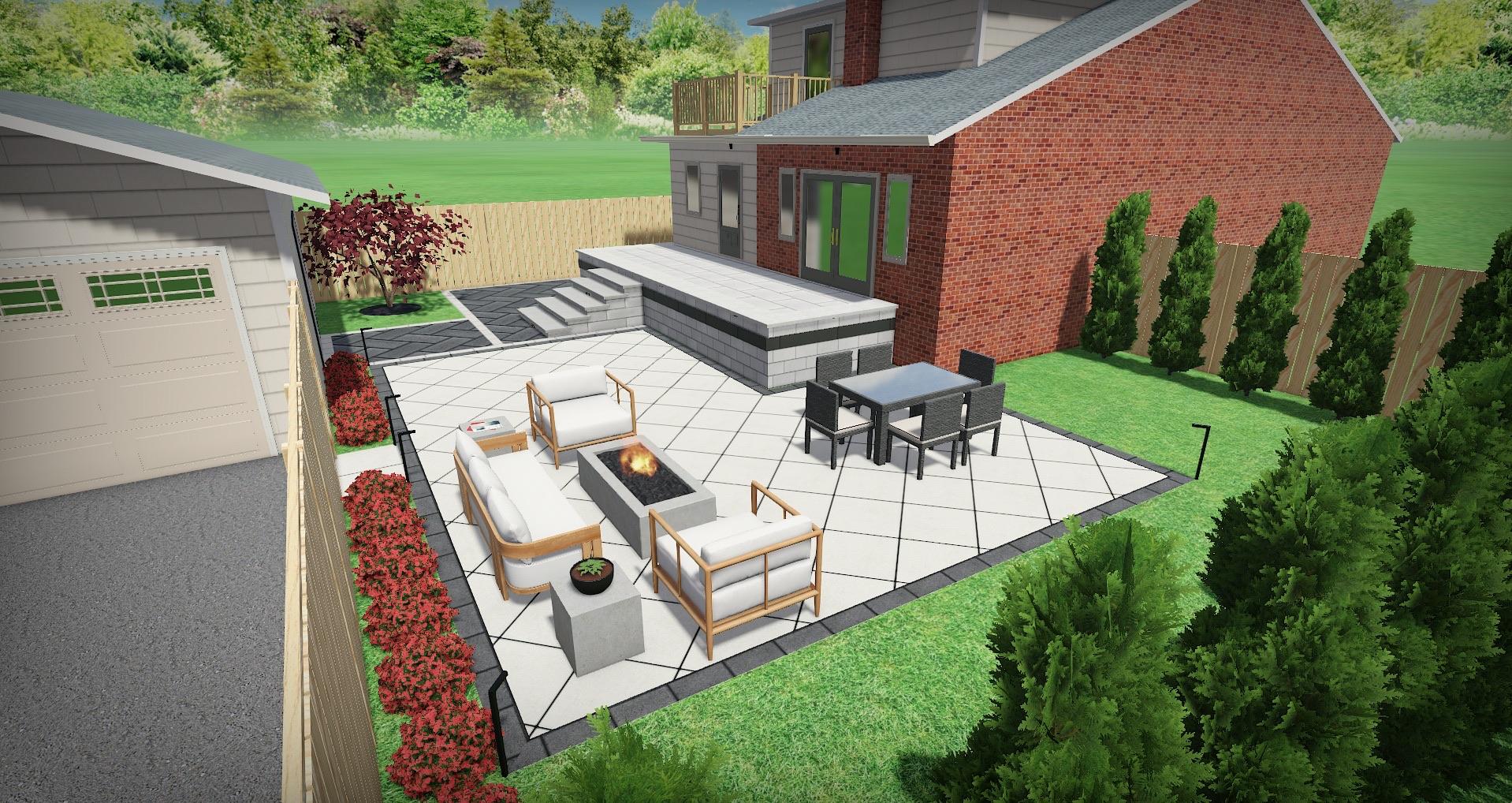
A thriving outdoor oasis starts with a complete, well-structured plan. The landscape design process guides your project from early ideas to a fully detailed blueprint ready for construction. With a design-build team, each step is collaborative, transparent, and aligned with your goals.
1. Initial Consultation and Site Assessment
Every project starts with an in-depth conversation and a thorough examination of your property. During this first meeting, the landscape designer will:
- Discuss your goals, wish-list, and lifestyle
- Review your budget and intended investment
- Identify challenges such as privacy concerns, drainage issues, or grade changes
- Walk the site to study sun and shade patterns, slopes, soil conditions, and key views
- Take detailed measurements for accurate planning
This stage is a collaborative exploration where you and the designer begin forming a shared vision for your outdoor space.
2. Conceptual Design and Preliminary Budgeting
Next, the designer begins translating your ideas into clear concepts. This phase may include:
- Scaled layout drawings
- Hand sketches or 3D renderings
- Proposed materials and construction methods
- Preliminary planting schemes
You’ll review each concept, provide feedback, and refine the plan together.
Because this is a design-build landscaping process, budgeting and design evolve simultaneously. The team provides preliminary cost estimates as the plan develops, ensuring the final design aligns with your budget and expectations. This avoids the common frustration of falling in love with a design that becomes unaffordable later.
By the end of this stage, you’ll have a concept you love and a clear understanding of the overall investment.
3. Final Design, Construction Planning, and Documentation
Once the concept is approved, the plan moves into its final, technical phase. The design team completes all necessary details, including:
- Final construction drawings
- Material selections
- Grading and drainage plans
- Measurements verified on-site
- Structural considerations and building-code compliance
At this point, you’ll sign a detailed contract that outlines the scope of work, costs, and schedule. A start date is set, and your design becomes an actionable roadmap.
With everything finalized, your project is ready to transition from planning to construction; the phase where your outdoor oasis begins taking shape in real life.
From Plans to Reality: The Landscape Construction Phase
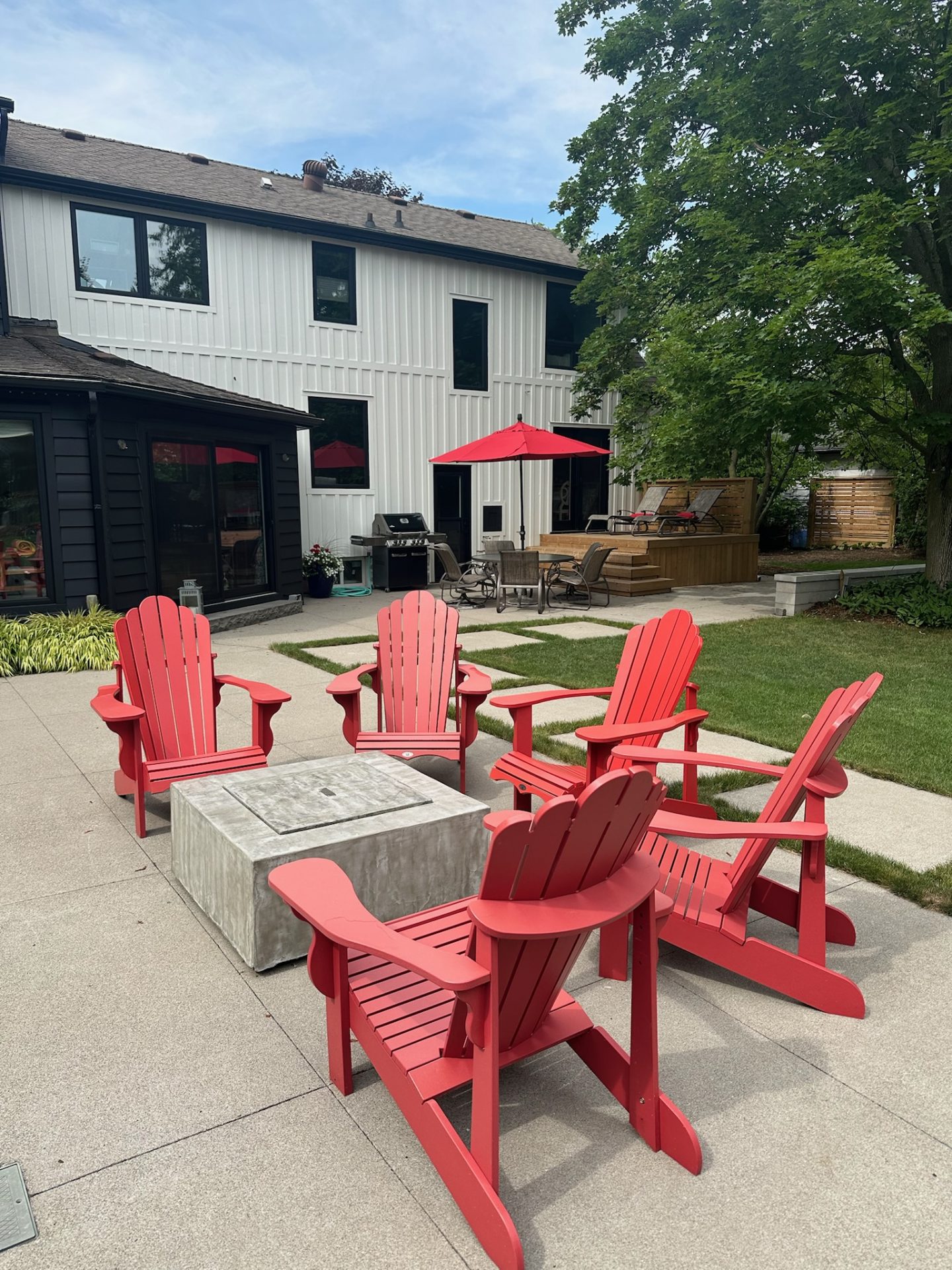
Once your design plans are approved, construction can begin. This is the stage where your ideas, drawings, and concepts evolve into a fully built outdoor space. With a design-build landscaping team, the transition from design to construction is seamless because the same group that developed your vision is responsible for executing it. This continuity ensures that every detail from material selections to elevation changes stays true to the approved plan.
1. Pre-Construction Preparation and Approvals
Before any physical work begins, the team handles essential preparations, including:
- Securing required permits for electrical, gas, or structural work
- Finalizing the project schedule and projected milestones
- Preparing you for temporary disruptions or equipment access
- Confirming any last technical details on site
- Coordinating with utility locators to ensure safe digging
Clear communication at this stage ensures you know what to expect and when. A professional design-build team will also review the project's logistics, including where materials will be stored, how equipment will access the property, and how the crew will maintain a tidy site throughout the build.
2. Site Preparation and Grading
Construction typically begins with preparing the site, ensuring that everything that follows has a solid foundation. This may involve:
- Removing old vegetation, patios, or structures
- Rough-grading the property to correct elevations
- Ensuring proper drainage and slope
- Marking and excavating areas for patios, walkways, or walls
These steps may not be visually dramatic, but they are crucial. Proper grading, excavation, and base preparation prevent future issues such as settling, shifting pavers, erosion, or water pooling near your home. A competent landscape construction team takes extra care during this phase because everything built afterward depends on the accuracy of its work.
3. Building the Hardscape and Structural Elements
With a stable foundation in place, the crew begins constructing the main outdoor structures in your backyard design, such as:
- Patios, walkways, and retaining walls
- Decks, pergolas, and shade structures
- Concrete footings, stone elements, and vertical features
- Fire pits, water features, and built-in amenities
Hardscape installation requires precision and craftsmanship. The team installs the correct depth of gravel base, compacts it in layers, and aligns the materials to ensure long-term strength and durability. Many homeowners are surprised to learn that the majority of a hardscape’s longevity comes from what lies beneath it; not the stones or pavers they see on the surface.
4. Softscaping and Final Touches
After major structures are complete, the landscape comes to life through planting and finishing work. This includes:
- Adding premium soil to garden beds
- Planting trees, shrubs, perennials, and ornamental grasses
- Laying sod or spreading seed for lawns
- Installing lighting and irrigation components
- Spreading mulch for moisture retention and a clean finish
This phase blends horticulture with design. Thoughtful placement, proper planting techniques, and quality soil preparation ensure plants root well and thrive in their new environment. Lighting and irrigation add both convenience and long-term health to the landscape, enhancing safety and reducing maintenance.
5. Final Walkthrough and Completion
When construction is finished, a reputable design-build team will guide you through your completed outdoor space. This walkthrough covers:
- Inspecting each element to confirm quality
- Reviewing plant care and watering schedules
- Demonstrating how to use new features like lighting timers or irrigation systems
- Providing warranty documents and maintenance recommendations
This final review is also an opportunity to ask questions, review specific features, or discuss future enhancements. Seeing your completed patio, gardens, and structures exactly as envisioned is a gratifying moment. From the first consultation to the last plant in the ground, the design-build process transforms your plans into a durable, functional outdoor oasis you can enjoy for years.
Why Details Matter in residential landscaping design
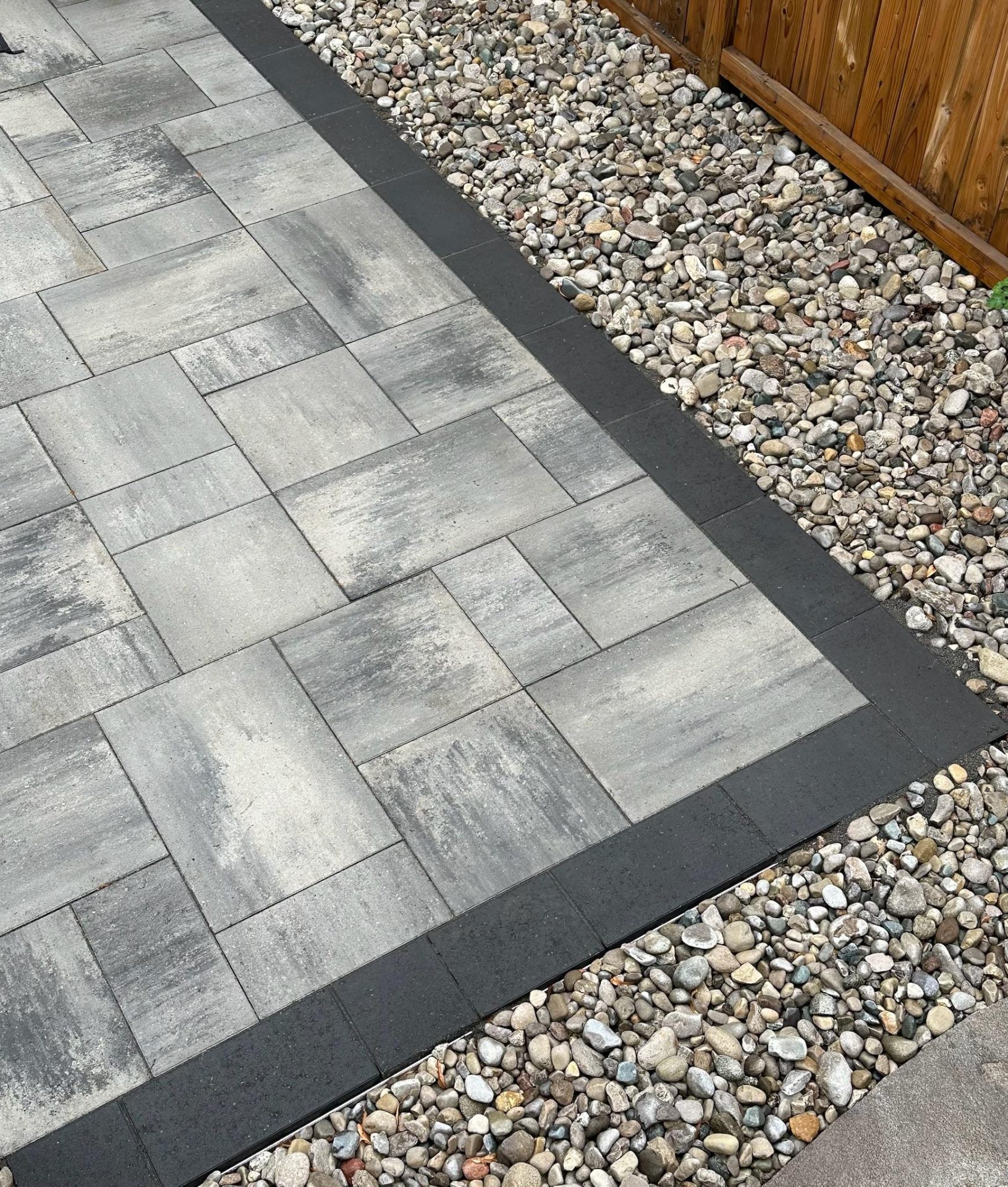
A beautiful landscape is more than what you see on the surface. Its longevity, safety, and overall performance depend on the craftsmanship beneath the soil and the care taken in every phase of installation. When shortcuts are taken or proper techniques are overlooked, problems will eventually appear, sometimes years later.
Why Quality Below the Surface Matters
Drainage is one of the most common indicators of poor artistry. If water isn’t appropriately directed, you may notice:
- Pooling along the foundation
- Soft, soggy areas in the lawn
- Plant stress or root rot
- Erosion around patios or walkways
Improper drainage can compromise both your home and your landscape. The same is true for base preparation under patios and walkways. Without the proper depth of excavation, compacted aggregate layers, and a suitable slope, hardscape elements begin to shift, crack, or settle unevenly. Retaining walls may bulge. Pathways may sink. These issues are frustrating, and they are almost always preventable with proper installation.
How Professionals Build for Long-Term Durability
Skilled landscape construction teams know that quality is established long before the first plant is put in the ground. Key practices include:
- Excavating to the correct depth for patios and walkways
- Installing a stable, compacted crushed stone base
- Creating the proper slope to encourage runoff
- Using geotextile fabrics to prevent soil migration
- Selecting high-quality lumber, stone, and structural materials
- Ensuring footings, mortar, and connections meet best-practice standards
These steps are not visible in the finished landscape, but they make all the difference in how your outdoor space performs over time.
The Hidden Work You Don’t See But Always Benefit From
A well-built landscape includes thoughtful grading so water flows away from your home and hardscape. It incorporates swales, drainage piping, and strategic elevations to prevent erosion or moisture issues. It also includes properly compacted base layers under every patio, pathway, or retaining wall.
You may never see the extra six inches of compacted base under a walkway or the drainage pipe behind a wall, but you’ll feel the impact through:
- Stable, level hardscape
- Healthier plantings
- Fewer long-term repairs
- Better protection for your home’s foundation
High-quality craftsmanship ensures your outdoor space looks amazing from day one and continues to perform beautifully year after year.
Garden Installation and Plant Selection

No landscape is complete without the living elements that bring colour, movement, and life to your outdoor space. Garden installation and thoughtful plant selection are crucial components of the design-build landscaping process, laying the foundation for a healthy, vibrant, and long-lasting landscape. Choosing the right plants and installing them correctly is as necessary as building a patio or retaining wall. These elements grow, evolve, and shape your outdoor environment over time.
1. Soil Preparation and Proper Planting Techniques
A thriving garden begins below the surface. Healthy soil, correct planting depth, and proper root preparation all play a crucial role in determining how well your plants will grow. Professional installers focus on establishing the right conditions from day one by:
- Amending soil with compost, sand, or organics as needed
- Ensuring the correct depth and width for planting holes
- Loosening root systems on pot-bound plants
- Applying mulch to retain moisture and suppress weeds
In many landscapes, soil quality varies from one area to another, allowing teams to create custom soil blends for garden beds, lawns, and tree zones. Establishing the proper soil structure promotes strong root development, improves drainage, enhances nutrient availability, and fosters long-term plant health.
These steps allow lawns to establish evenly, perennials to return fuller each season, and young trees to develop strong root systems. When the groundwork is done correctly, the entire landscape becomes more resilient and easier to maintain, especially during periods of heat, drought, or heavy rain.
2. Choosing the Right Plants for the Right Places
Plant selection is both a design decision and a strategic horticultural choice. A knowledgeable landscape designer will consider:
- Sun and shade patterns across the property
- Soil composition and moisture levels
- Local climate and seasonal conditions
- Desired colours, textures, and overall design style
- Long-term growth habits and mature plant size
This also includes analyzing microclimates, pockets of your property that behave differently due to wind exposure, reflected heat from hardscape, or shading from neighbouring buildings. These subtle variations influence where certain plants will thrive.
For example, shade-loving hostas and ferns thrive where roses would struggle to grow. Areas with moist soil may call for winterberry or willow shrubs. Matching plants to the environment ensures a healthier landscape with fewer interventions over time.
A brilliant design-build team also incorporates native and climate-adapted species, which:
- Require less water and fewer pesticides
- Support pollinators and beneficial wildlife
- Reduce long-term maintenance
- Promote ecological balance in the garden
The result is a landscape that is both visually appealing and beneficial to the local ecosystem.
3. Designing for Four-Season Interest
A well-planned landscape has visual appeal in every season. Designers achieve this by combining:
- Evergreens for year-round structure
- Spring bulbs for early colour
- Summer perennials for fullness and texture
- Fall foliage for warm seasonal tones
- Winter berries or ornamental grasses for winter interest
Beyond appearance, four-season design helps the landscape feel intentional and balanced, even during dormant months. Proper layering also ensures that plants mature gracefully together rather than competing for space.
4. Building a Garden That Lasts
Thoughtful plant selection, healthy soil, and proper installation all work together to create a landscape that grows stronger with time. Shrubs mature into natural privacy screens, trees establish shade, and perennial beds become richer with each passing season.
A well-designed residential landscape becomes not only a beautiful outdoor retreat, but a thriving, sustainable environment that enhances your home and supports the world around it. When your garden is installed with care and matched to your site conditions, it becomes easier to maintain, more resilient to climate change, and more rewarding to enjoy year after year.
An Exceptional Client Experience: What You Deserve
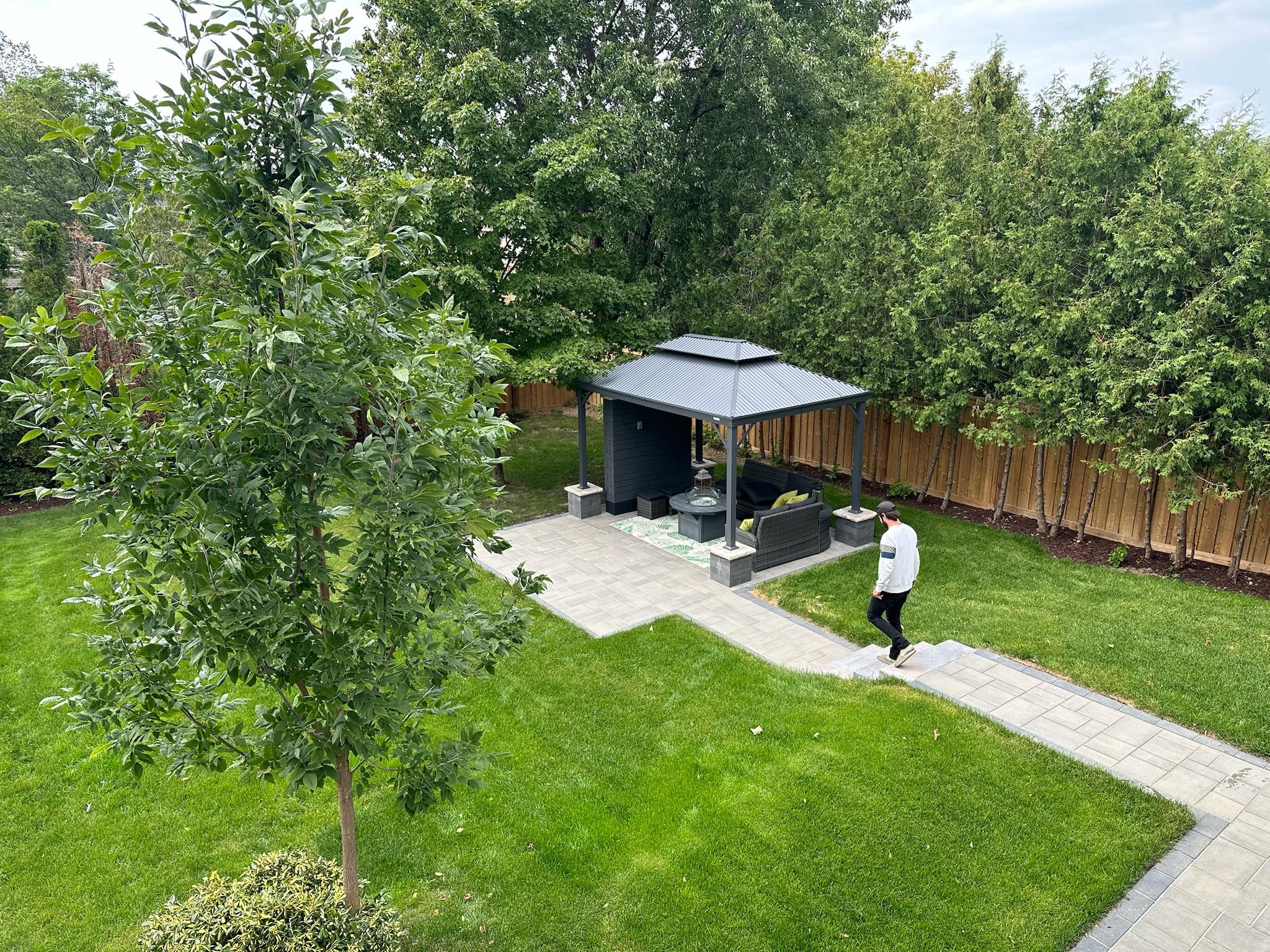
A landscape design and build project is a meaningful investment in your home, and you deserve an experience that feels organized, supportive, and collaborative from beginning to end. A professional design-build landscaping team treats the process as a true partnership, making your needs, preferences, and vision the foundation of every decision.
1. Clear Communication From Start to Finish
Exceptional communication is the backbone of an outstanding client experience. You should always know what’s happening, what’s coming next, and who to contact with questions. A reputable team will:
- Establish a primary point of contact
- Provide regular progress updates
- Share photos or hold on-site check-ins
- Explain each phase of the project beforehand
- Be available to discuss changes or concerns
Knowing the complete roadmap, from design to permits to construction, gives you confidence and eliminates the uncertainty that often comes with major projects.
2. A Professional, Respectful, and Skilled Crew
Even though landscaping is hands-on work, professionalism should be evident at every stage. A top-tier design-build team will:
- Arrive on time and maintain agreed schedules (weather permitting)
- Keep the site clean and minimize disruptions
- Treat your home with respect
- Have supervisors on-site to ensure quality
- Use trained, knowledgeable staff familiar with the materials and methods your project requires
If challenges arise, as they sometimes do in complex outdoor construction, they are handled openly and promptly, rather than being covered up or ignored.
3. A Collaborative Process Where Your Voice Matters
Your outdoor space should reflect your lifestyle, your tastes, and your priorities. A client-focused landscape company invites your input and includes you at key milestones. This may involve:
- Reviewing layout adjustments before installation
- Joining a nursery visit to choose plants
- Approving material selections or construction details
- Confirming final placements on-site
When you feel heard throughout the journey, the finished landscape aligns far more closely with what you envisioned.
4. Confidence Through Warranties and Ongoing Support
A great design-build firm stands behind its work. You should expect:
- Warranties on artistry and central installations
- Guidance on watering, plant care, and seasonal maintenance
- Documentation for any systems, such as lighting or irrigation
- Open communication if questions come up after the project is complete
The relationship doesn’t end when the crew packs up. You should feel comfortable reaching out for help, advice, or future enhancements as your outdoor needs evolve.
A Client Experience That Elevates the Entire Project
An exceptional client experience combines communication, craftsmanship, and collaboration in a way that makes the journey as rewarding as the final reveal. When you partner with a design-build landscaping team that values quality and your involvement, the process becomes smooth, enjoyable, and memorable and the outdoor oasis you create together becomes something you’ll appreciate for years.
Bring Your Landscape Vision to Life with ASM Build Group
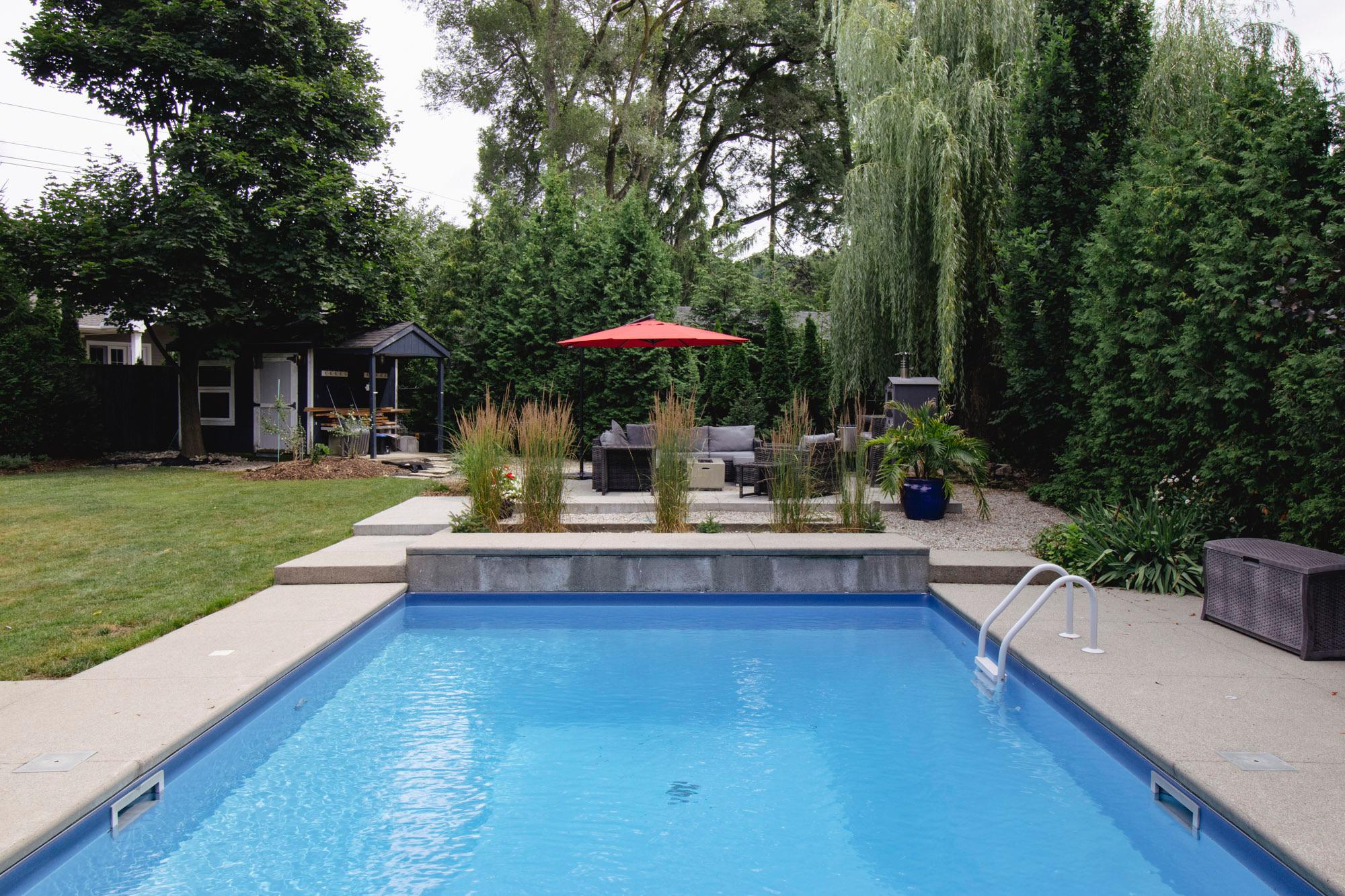
Creating a beautiful, functional outdoor space doesn’t have to feel overwhelming. With ASM Build Group guiding every step, you gain a straightforward process, expert communication, and craftsmanship built to last. The result is an outdoor oasis that reflects your lifestyle, enhances your home, and stands strong for years to come.
If you’re ready to begin your transformation, contact ASM Build Group today. Request a consultation now, and let’s build the outdoor space you’ve always imagined.
In Summary
ASM Build Group’s design-build landscaping approach streamlines your entire project by combining design, budgeting, and construction under one dedicated team. This ensures clear communication, precise planning, and consistent quality throughout the whole process. With thoughtful design, meticulous installation, and expert plant selection, ASM Build Group creates outdoor spaces that are cohesive, durable, and built to delight for years to come.
Tags: